Insights on Building Mission-Driven Organizations

Practical lessons from 15+ years of leadership across nonprofits, real estate, and healthtech. Topics include AI implementation, nonprofit operations, business systems, and what it takes to scale organizations without losing your mission.

I Asked My AI to Write my Perfect Job Description
Career/Leadership Kenny Kane Career/Leadership Kenny Kane

I Asked My AI to Write my Perfect Job Description

For years, my résumé has been a problem. Not because it lacked experience, but because it contained too much of it across categories that are not supposed to overlap.

Real estate operator. Nonprofit executive. Technology architect. CEO. COO. CTO. Author. Systems builder.

Each role made sense on its own. Taken together, they created confusion. People wanted a single lane. Boards wanted a box. Professional bios wanted a headline that fit cleanly into a predefined hierarchy.

Read More
Why I Published Mission-Driven Ecommerce on Kindle and Why I’m Now Releasing It for Free
Career/Leadership Kenny Kane Career/Leadership Kenny Kane

Why I Published Mission-Driven Ecommerce on Kindle and Why I’m Now Releasing It for Free

When I first published Mission-Driven Ecommerce on Kindle, it wasn’t because I thought it would be a bestseller. It was because I wanted the book to exist in a real, durable way.

Kindle was a forcing function. It made the book feel finished. It required decisions instead of drafts, structure instead of loose notes. It turned a lived experience into something that could be cited, shared, and referenced, not just blogged about and forgotten.

Read More
The Secret Sauce Behind My Operator Career Is Not an MBA, It Is Zapier

The Secret Sauce Behind My Operator Career Is Not an MBA, It Is Zapier

Zapier has quietly been the continuing education program of my operator career.

Not in the “take a course, get a certificate” way. In the “oh wow, I just rebuilt an entire department in an afternoon” way.

I did not come up through some glossy MBA to COO pipeline. I came up through broken spreadsheets, duct-taped CRMs, and nonprofit budgets that forced you to make hard choices fast. When you do not have headcount, you have to invent leverage. Zapier was the first tool that gave me that leverage.

Read More
Grabbing Life by the Balls: A Conversation on Cancer, Work, and Building Things That Last

Grabbing Life by the Balls: A Conversation on Cancer, Work, and Building Things That Last

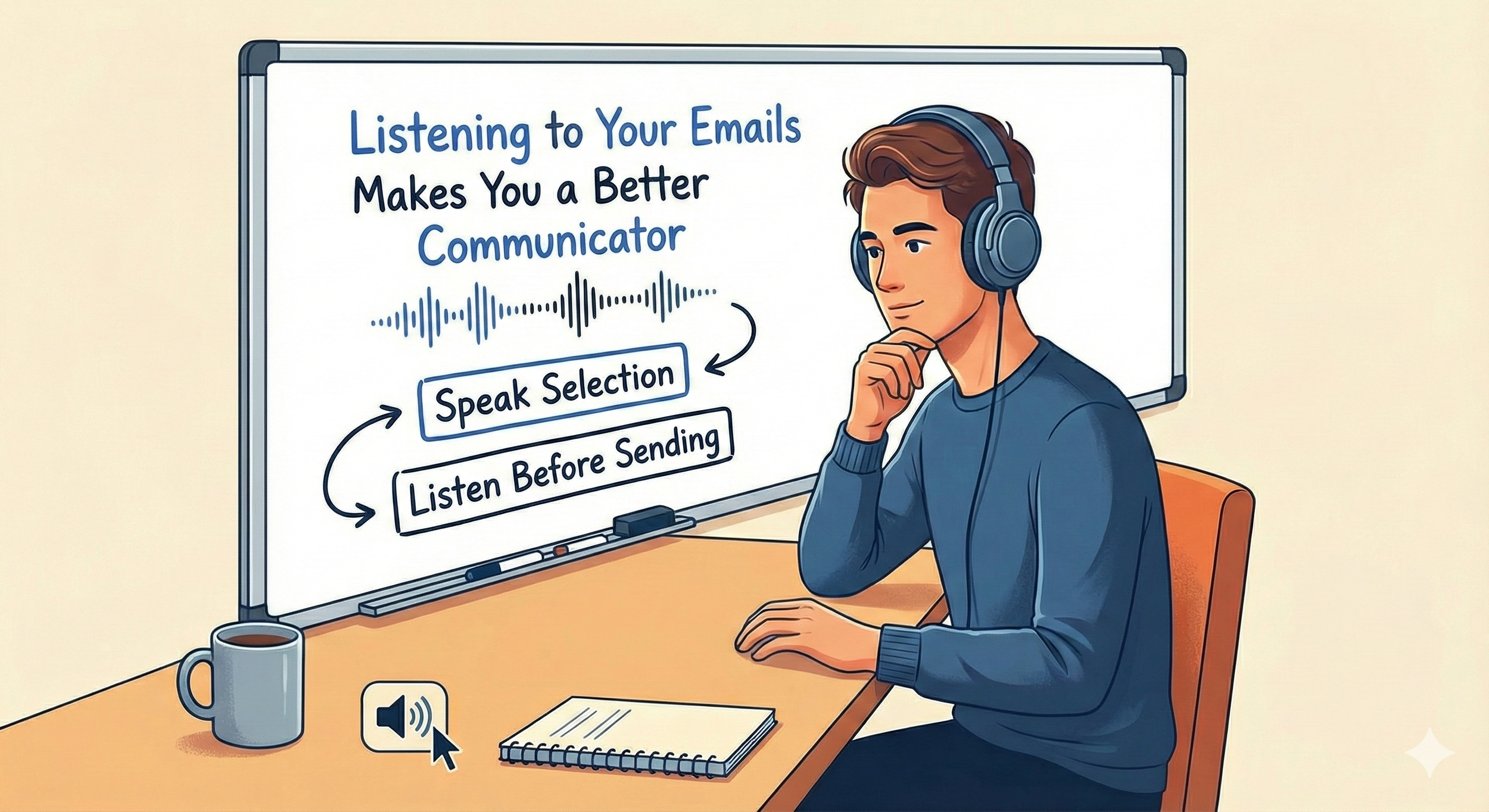
I recently joined Mallet & Michelle for a conversation that ended up covering a lot more than testicular cancer, even though that is where my story usually starts. What made this one different was how naturally it moved between personal history, work, leadership, and the experiences that quietly shape how we show up in the world.

My connection to testicular cancer is personal. When I was a high school senior, my dad was diagnosed. There was no long lead-up or time to process it emotionally. He found a lump, saw a doctor, and within days was in surgery. That summer, which was supposed to be about graduation and getting ready for college, turned into chemo appointments and hospital visits. Like a lot of families who go through cancer, we figured things out as we went. You do what needs to be done and worry about the rest later.
Read More
Listening to Your Emails and Messages Makes You a Better Communicator

Listening to Your Emails and Messages Makes You a Better Communicator

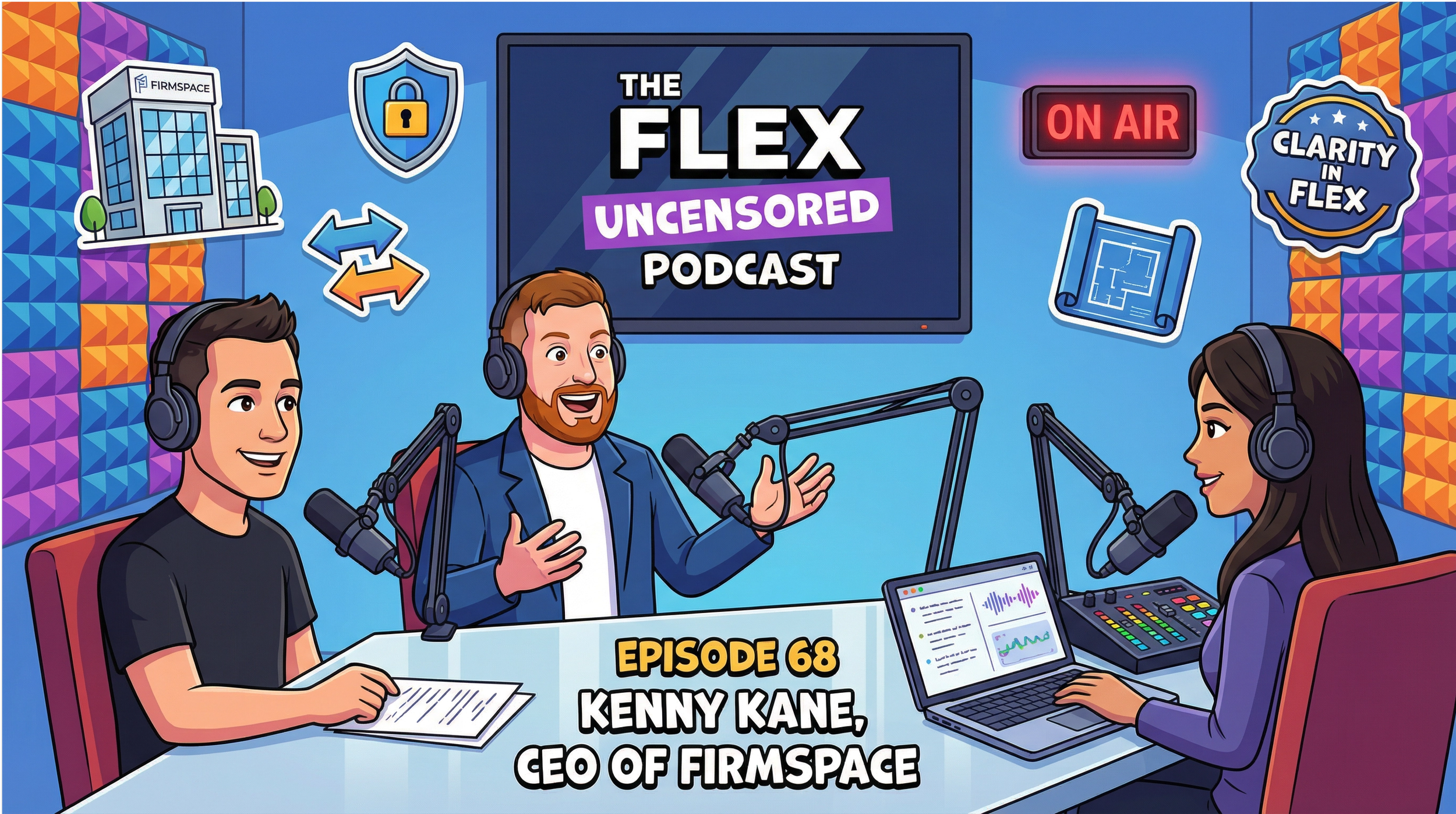
For most of my career, I’ve moved fast. I’ve relied on instinct, momentum, and the ability to figure things out on the fly. In small teams or early-stage environments, that approach works. You don’t have to explain every step or provide perfect clarity—you just build, adjust, and keep going. But as the organizations around me grew, the cost of unclear communication started to show up in ways I couldn’t ignore. I’d send a message that made perfect sense in my head, only to realize later it didn’t land the way I intended. Or I’d fire something off quickly and it would accidentally create more work or confusion for someone else. That’s when I started using a small Mac feature that unexpectedly became one of the most effective productivity habits I’ve ever built: Speak Selection.
Read More
I Don’t Give Keynotes. I Share Field Notes.

I Don’t Give Keynotes. I Share Field Notes.

Someone asked me recently why I am not a public speaker on a more regular basis. They had listened to me on a podcast, seen me moderate sessions at Stupid Cancer events, and watched me speak at Testicular Cancer Foundation gatherings. Their assumption was that speaking was something I pursued. It is not.

I do not speak on public stages very often. Not because I avoid it, but because most of my career has been spent building organizations, communities, and operational systems rather than talking about them from a podium. I have never thought of myself as a professional speaker. I do not go on a speaking circuit. I do not sell ideas from the stage. But when the work required it, I have spoken. And those have always been the meaningful moments.

Read More
Career/Leadership Kenny Kane Career/Leadership Kenny Kane

When the Origin Story No Longer Represents the Organization

There is a moment in the life of a maturing organization when the nostalgic version of how it all started no longer reflects the organization that exists today. What begins as a small group around a table becomes a disciplined organization with governance, systems, brand standards, and culture. Along the way, roles evolve. Titles change. Some contributors step away. Others step fully into the responsibilities required for scale. What used to be a story becomes an enterprise.

As that evolution happens, leaders gain a new responsibility. It is to protect the accuracy of the organization’s history while ensuring that history does not become confused with identity. Someone may have been present in the beginning, but that does not mean they shaped what the organization ultimately became.

Contribution is not the same as governance. Proximity is not the same as leadership. Being part of the early story is not the same as shaping the current one.

Read More

Why I'm Investing in Structured Data (And Why You Should Care About Schema Markup)

This week, I took a hard look at the structured data on my website. Not because I'm chasing some technical SEO checklist, but because I realized something important: if I don't tell search engines who I am, they'll figure it out on their own. And when there are two other people with my exact name competing for the same search results, I can't afford to leave that interpretation up to chance.

Structured data, specifically schema markup, is how you give search engines the context they need to understand your identity. It's not about gaming the system. It's about clarity. When someone searches for Kenny Kane, I want Google to know exactly which one I am. The CEO and author in Austin, not the comedian in Los Angeles or the rapper in Memphis.

Read More