
Books
Three books written from inside the work.
Each one documents an operating problem I was in the middle of at the time: building a small nonprofit's systems, running its store, and making a public record of a person accurate enough for machines to read. They were written in that order, and read in that order they arrive at the same question.
The Through Line
What happens when a system outlives its operator.
All three books describe the same failure from a different angle. An organization builds real capability, and that capability turns out to live inside one or two people rather than inside the organization. It works, right up until those people leave.
In August 2026 I began doctoral study at Texas State University's McCoy College of Business. My research interests are in organizational durability and executive dependency: why an organization's ability to execute so often lives in a few individuals, and what documentation, process design, and technology actually transfer when those individuals go. The questions will narrow as the coursework does. These books are the practitioner record that came first.
Documentation records how something works. Handing it over is a different problem.
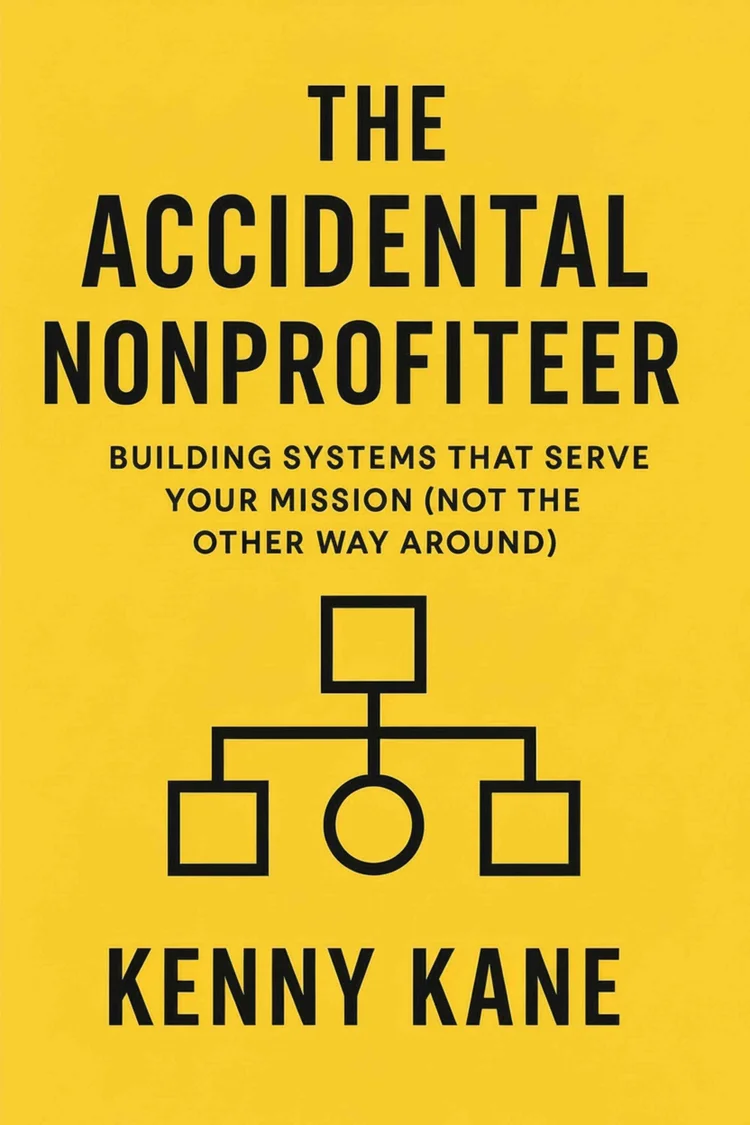
The Accidental Nonprofiteer
Building Systems That Serve Your Mission (Not the Other Way Around)
From a teenager learning customer service behind a pharmacy counter to building systems that served thousands of cancer survivors, this book follows the path many nonprofit leaders actually take: into the work first, and into the theory afterward. It is a practical account of what held up and what did not, written by someone who was inside the operation.
It is written for people running small organizations on the memory and judgment of two or three people — accidental founders, staff wearing several hats, volunteer leaders running programs and chapters. Most of it is about moving that judgment out of individual heads and into something the organization owns.
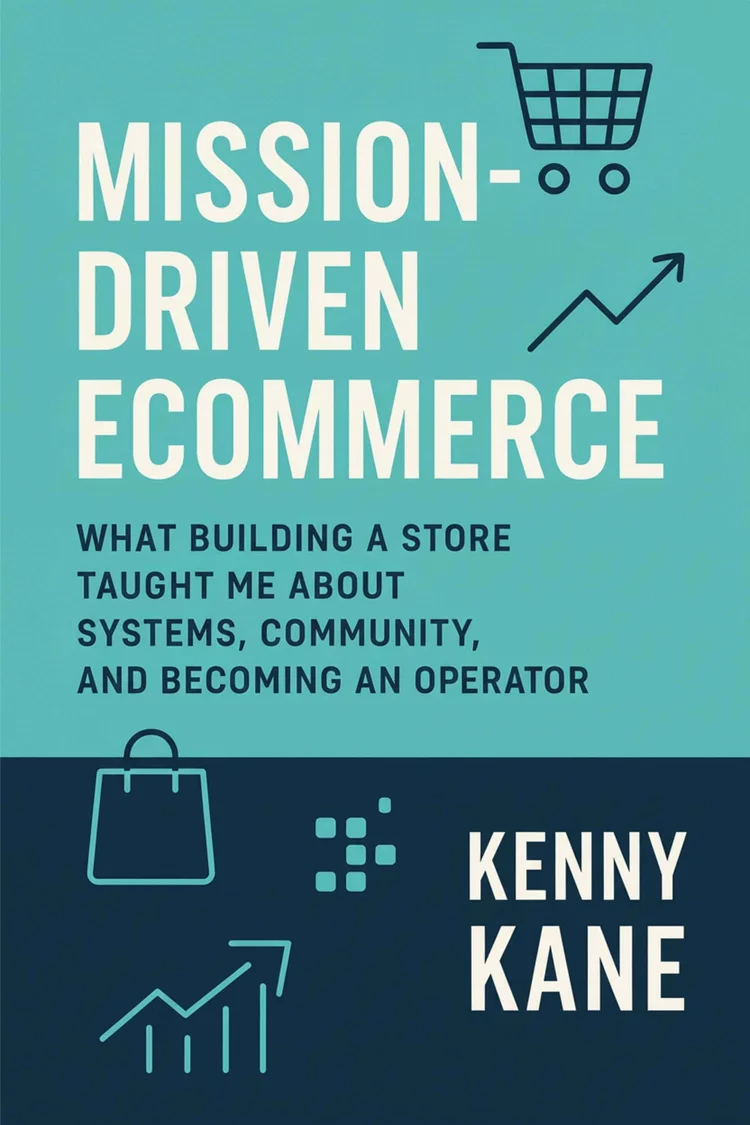
Mission-Driven Ecommerce
What Building a Store Taught Me About Systems, Community, and Becoming an Operator
At twenty-five I turned a single $20 t-shirt into a six-figure ecommerce operation inside a nonprofit. This is the account of how it was built: the inventory and fulfillment systems, the automation, the hand-offs, and the community that formed around a product line.
It is also where the durability question surfaces directly, in the material on sustainability, hand-offs, and what happens when systems outlive their operators. An excerpt ran in Practical Ecommerce, where I wrote a monthly column while the operation described here was still running.
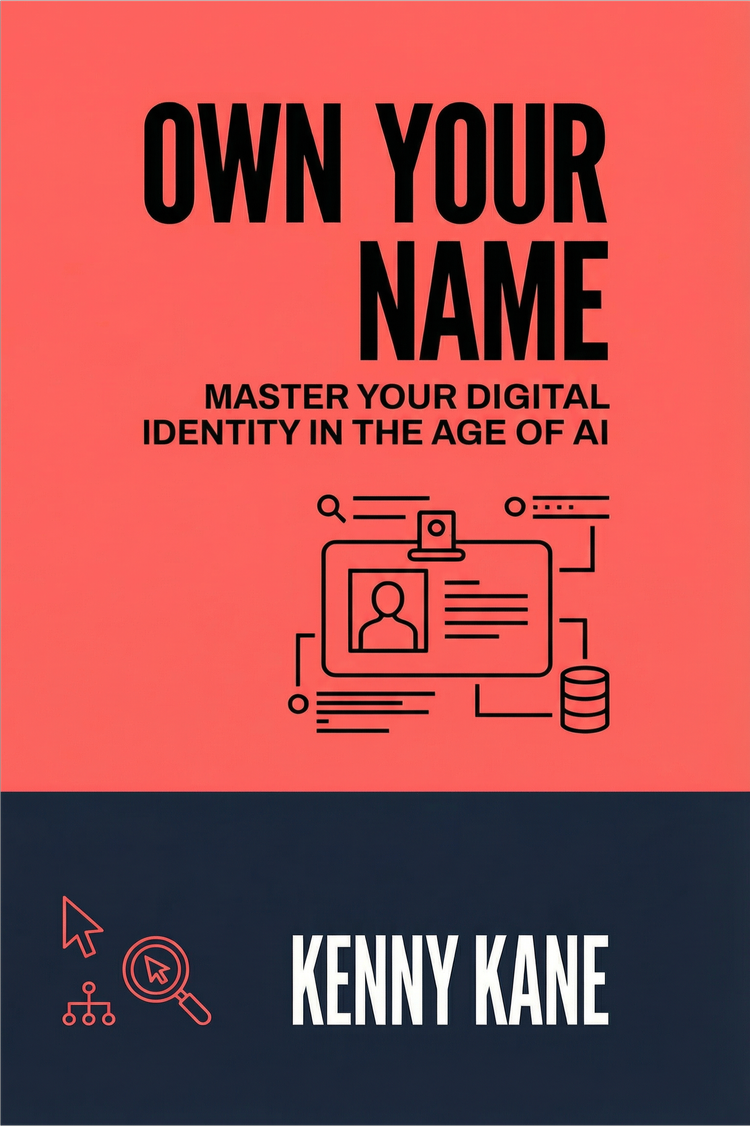
Own Your Name
A Practical Guide to Digital Disambiguation in the Age of AI
I lost KennyKane.com at seventeen and spent twenty years sharing search results with a comedian, a rapper, and a fictional character. This book documents the methods I used to make the public record about me accurate and machine-readable: structured data, Wikidata, verified profiles, consistent naming, and the maintenance that keeps them aligned.
It is a technical manual for a records problem, not a guide to building a personal brand. The same principle runs underneath it as the other two: what is written down determines what survives when nobody is there to explain it.
About the Author
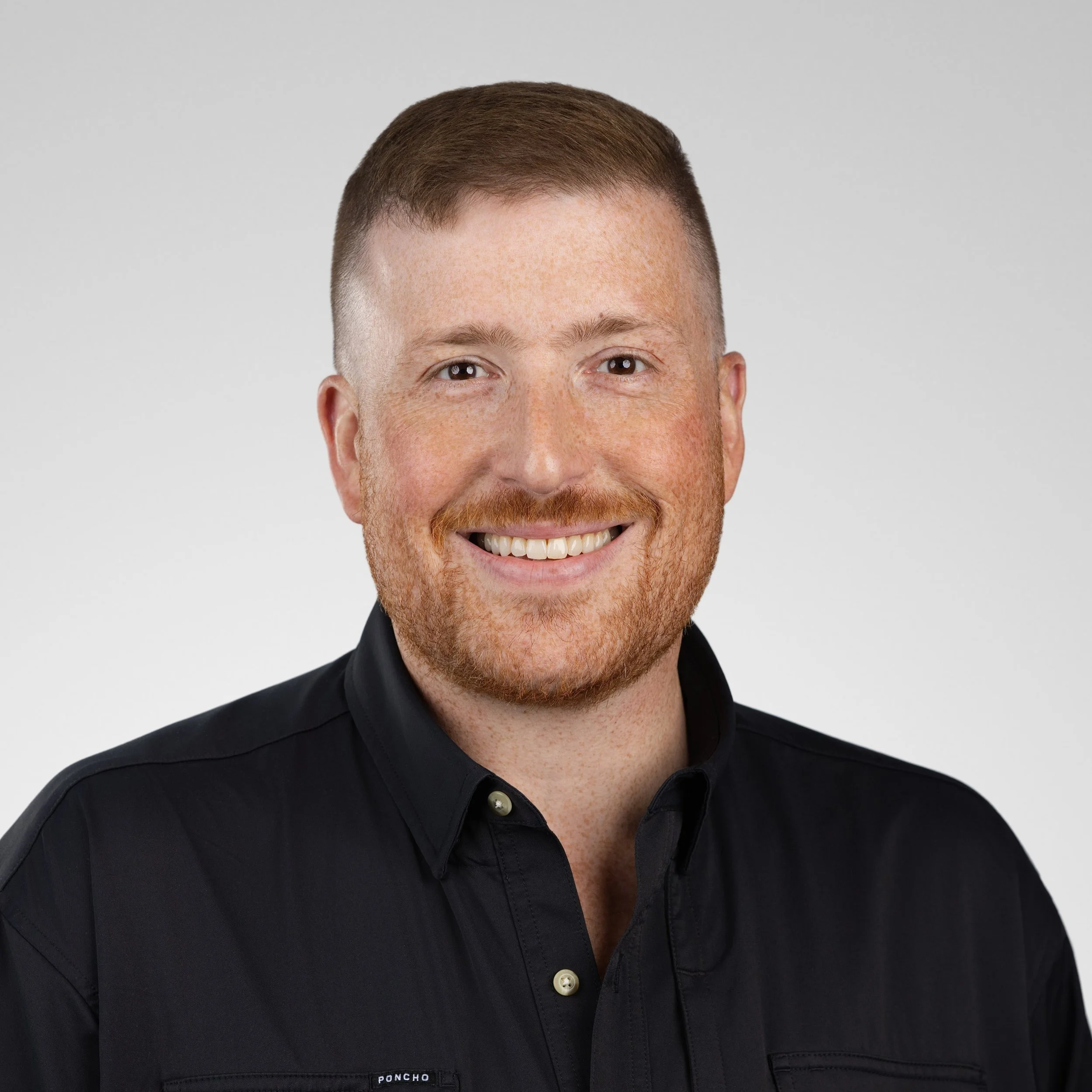
Kenny Kane runs organizations and studies what makes them durable.
He is CEO of Firmspace, a premium private office and executive suite company with locations in Austin, Denver, Houston, and Atlanta; CEO of the Testicular Cancer Foundation; and Co-Founder, Board Member, and Chief Technology Officer of Gryt Health.
He has spent more than fifteen years in operating roles across real estate, health technology, and the nonprofit sector, including six years at Stupid Cancer, where he joined as an intern in 2010 and left as Chief Operating Officer in 2016. He is a doctoral student at Texas State University's McCoy College of Business and lives in Austin, Texas.
Review copies, excerpts, and interviews.
For a review copy, permission to republish an excerpt, or a conversation about the material, get in touch. Short and long bios and approved headshots are available on request.