
I Don’t Give Keynotes. I Share Field Notes.
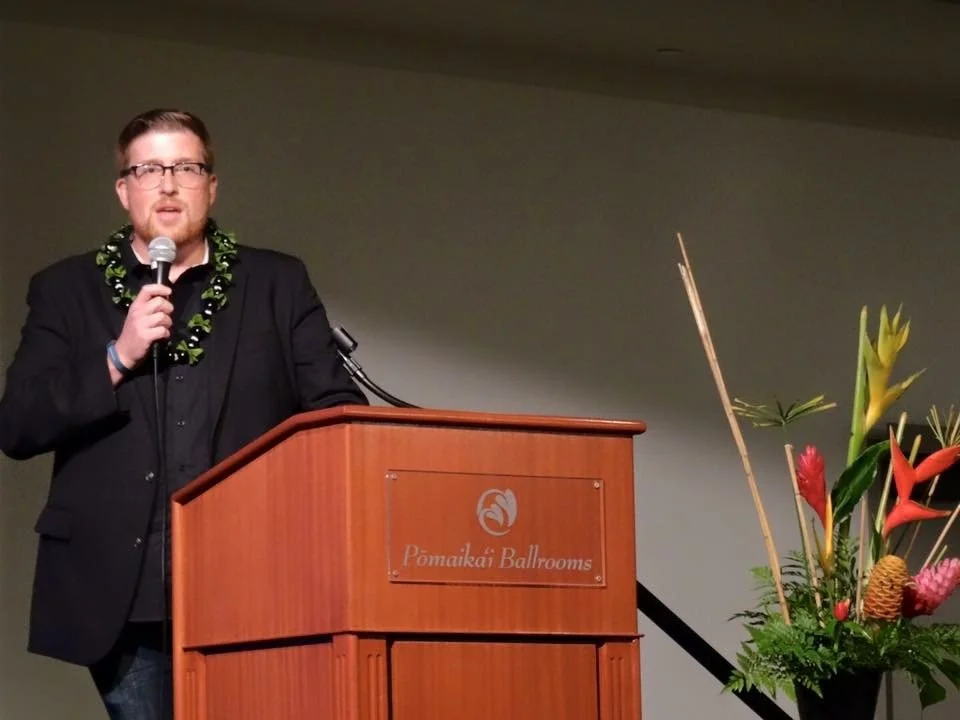
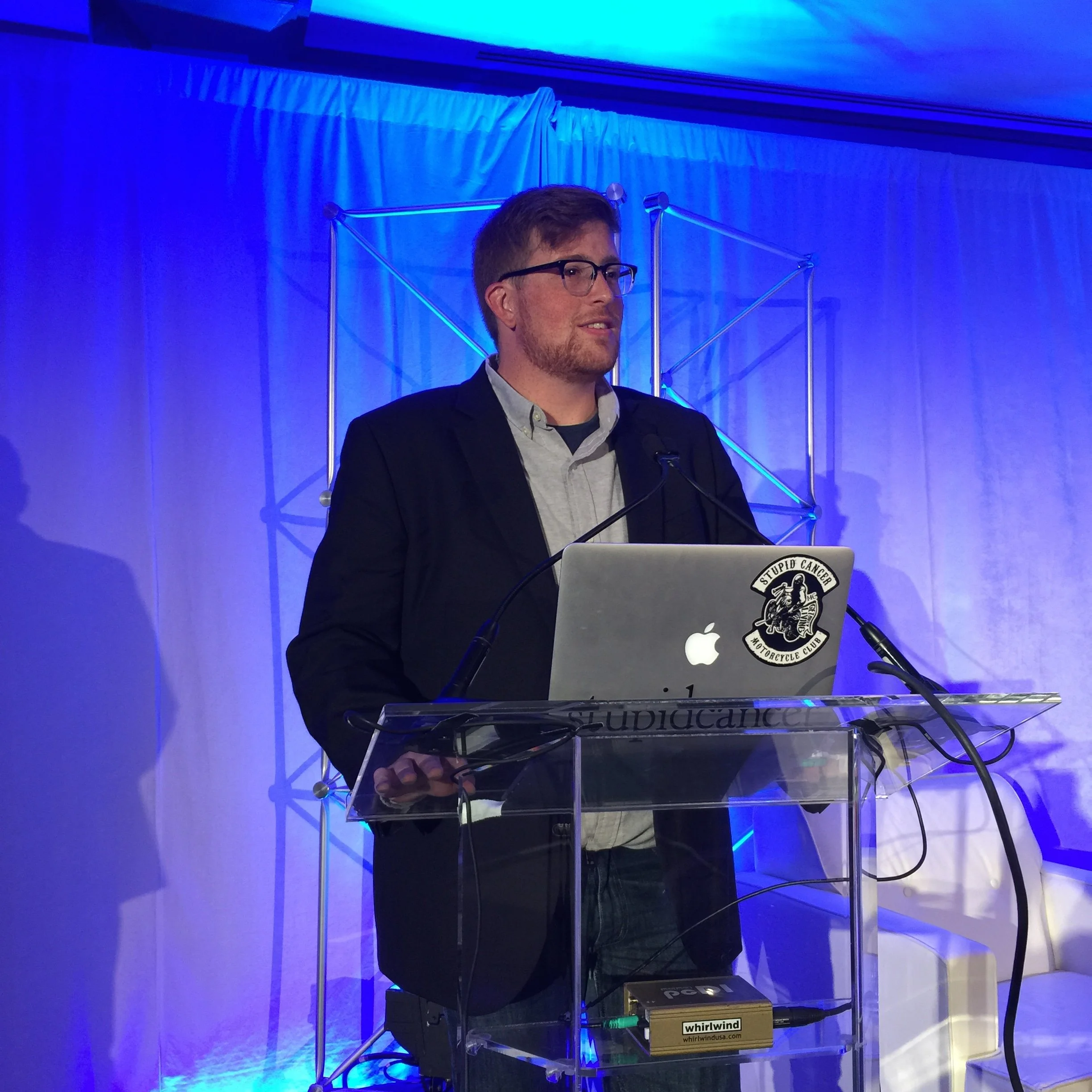
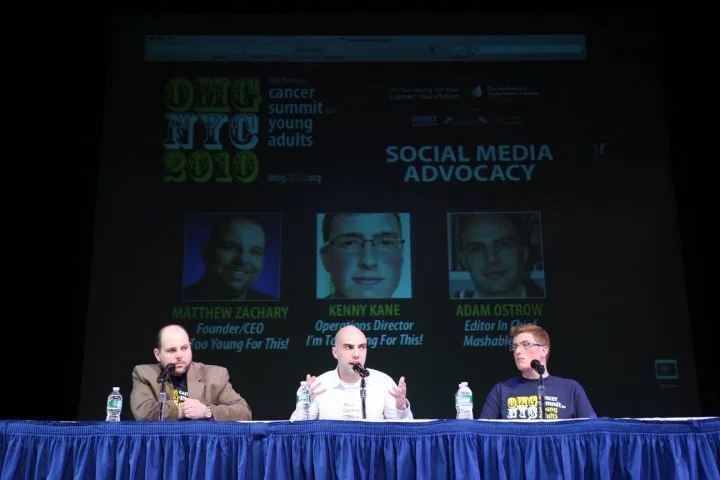
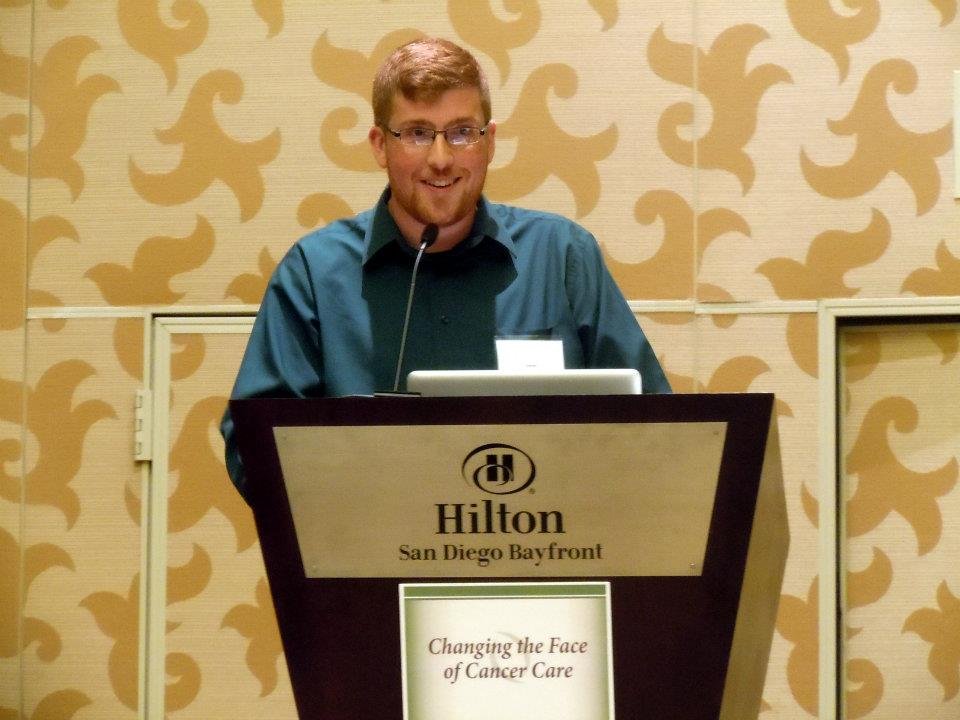
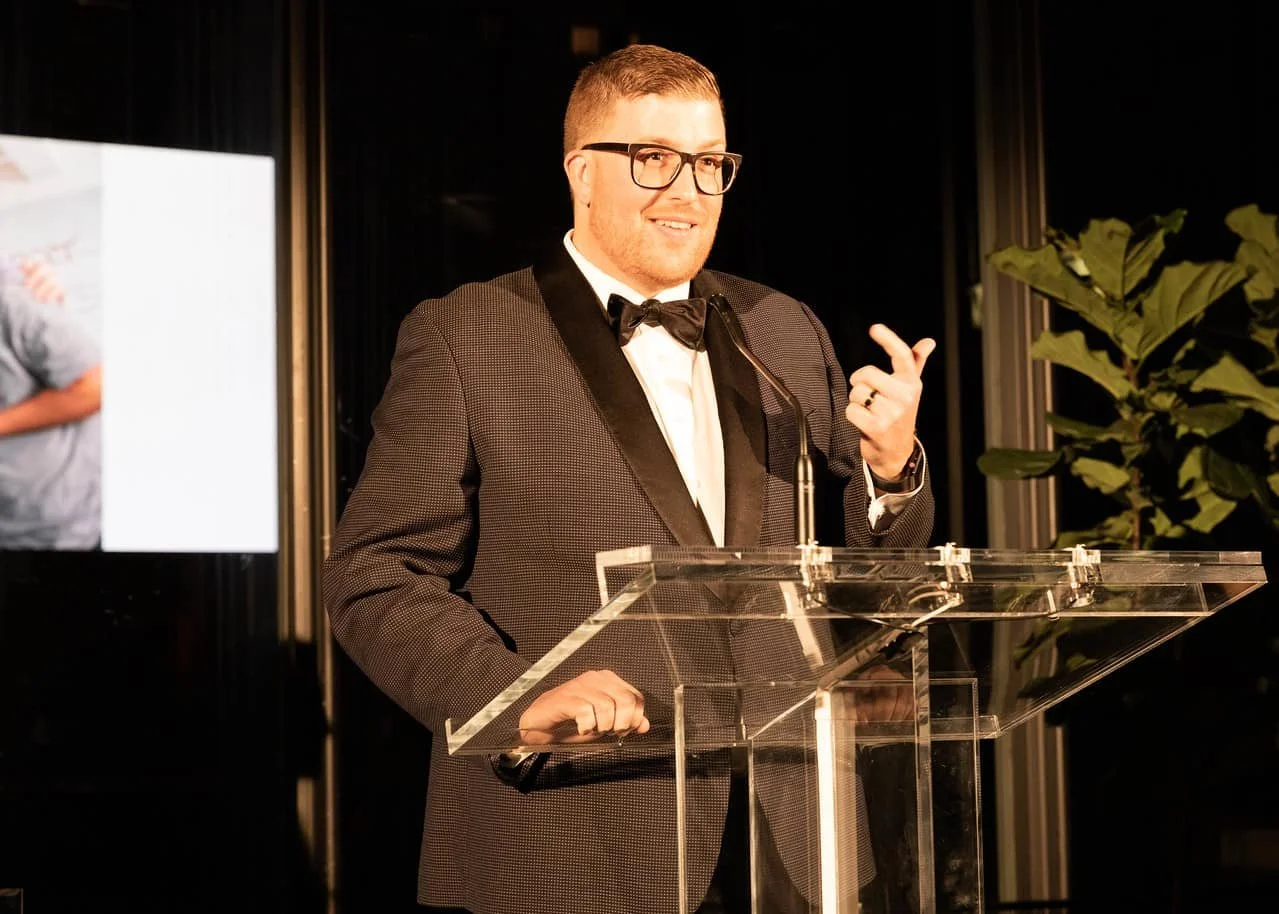
Someone asked me recently why I am not a public speaker more often. They had heard me on podcasts, seen me moderate sessions at Stupid Cancer events, and watched me speak at Testicular Cancer Foundation gatherings. They assumed speaking was something I pursued. It is not.
I do not speak on stages frequently, not because I avoid it, but because I have spent my career building organizations, communities, and operational systems, rather than talking about them. I do not consider myself a professional speaker. I do not tour, sell from a stage, or deliver rehearsed keynotes. But when the work has required it, I have spoken, and those moments have always felt meaningful.
My first real speaking experience was not at a conference someone invited me to. It was at one we created. In the early days of Stupid Cancer, there were no playbooks, no speaker rosters, and no formal stages. Sometimes the stage was a dinner table, a community center, a hospital classroom, or even a parking lot during a road trip. Speaking never felt like presenting. It felt like building something with the people in front of me.
As the movement grew, those rooms turned into conferences with hundreds of survivors, caregivers, and professionals. We never spoke at people. We spoke with them. It was never a performance. It was a conversation.
Over the years, at both Stupid Cancer and Testicular Cancer Foundation, I have spoken at summits, retreats, gatherings, and workshops. My goal has never been to inspire. It has been to translate experience into something useful. I have talked about building systems that protect humans, digital infrastructure that can scale, and how empathy and operations can and should coexist. These were never speeches. They were field guides.
I have always felt more comfortable in podcast environments than on polished stages. Podcasting matches how I develop ideas, in conversation, open to revision. It allows nuance, curiosity, and real learning instead of performance.
I do not chase speaking opportunities. I speak when there is a real problem to solve and when the audience is made up of builders, operators, and practitioners. I prefer rooms where people take notes because they found a framework, not because they felt inspired.
When I do speak, I talk about what I have learned from building infrastructure, membership experiences, and mission centered organizations. I talk about how systems protect people. I talk about how organizations do not just need vision. They need functioning Tuesdays.
My speaking has never been measured by audience size. It is measured by clarity. If someone walks away knowing what they can build next, then it was worth saying.
