
Insights on Building Mission-Driven Organizations
Practical lessons from 15+ years of leadership across nonprofits, real estate, and healthtech. Topics include AI implementation, nonprofit operations, business systems, and what it takes to scale organizations without losing your mission.
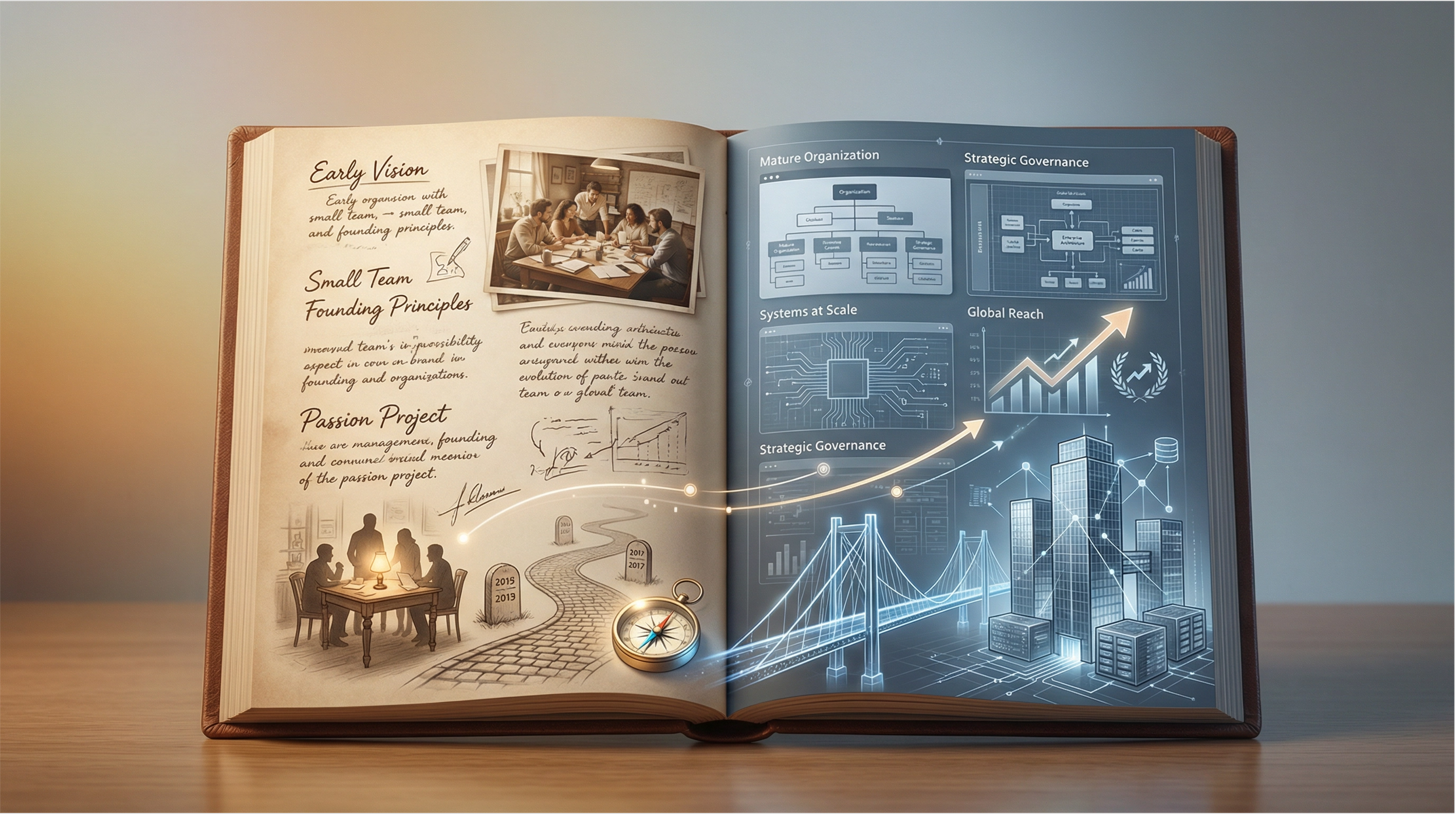
When the Origin Story No Longer Represents the Organization
There is a moment in the life of a maturing organization when the nostalgic version of how it all started no longer reflects the organization that exists today. What begins as a small group around a table becomes a disciplined organization with governance, systems, brand standards, and culture. Along the way, roles evolve. Titles change. Some contributors step away. Others step fully into the responsibilities required for scale. What used to be a story becomes an enterprise.
As that evolution happens, leaders gain a new responsibility. It is to protect the accuracy of the organization’s history while ensuring that history does not become confused with identity. Someone may have been present in the beginning, but that does not mean they shaped what the organization ultimately became.
Contribution is not the same as governance. Proximity is not the same as leadership. Being part of the early story is not the same as shaping the current one.
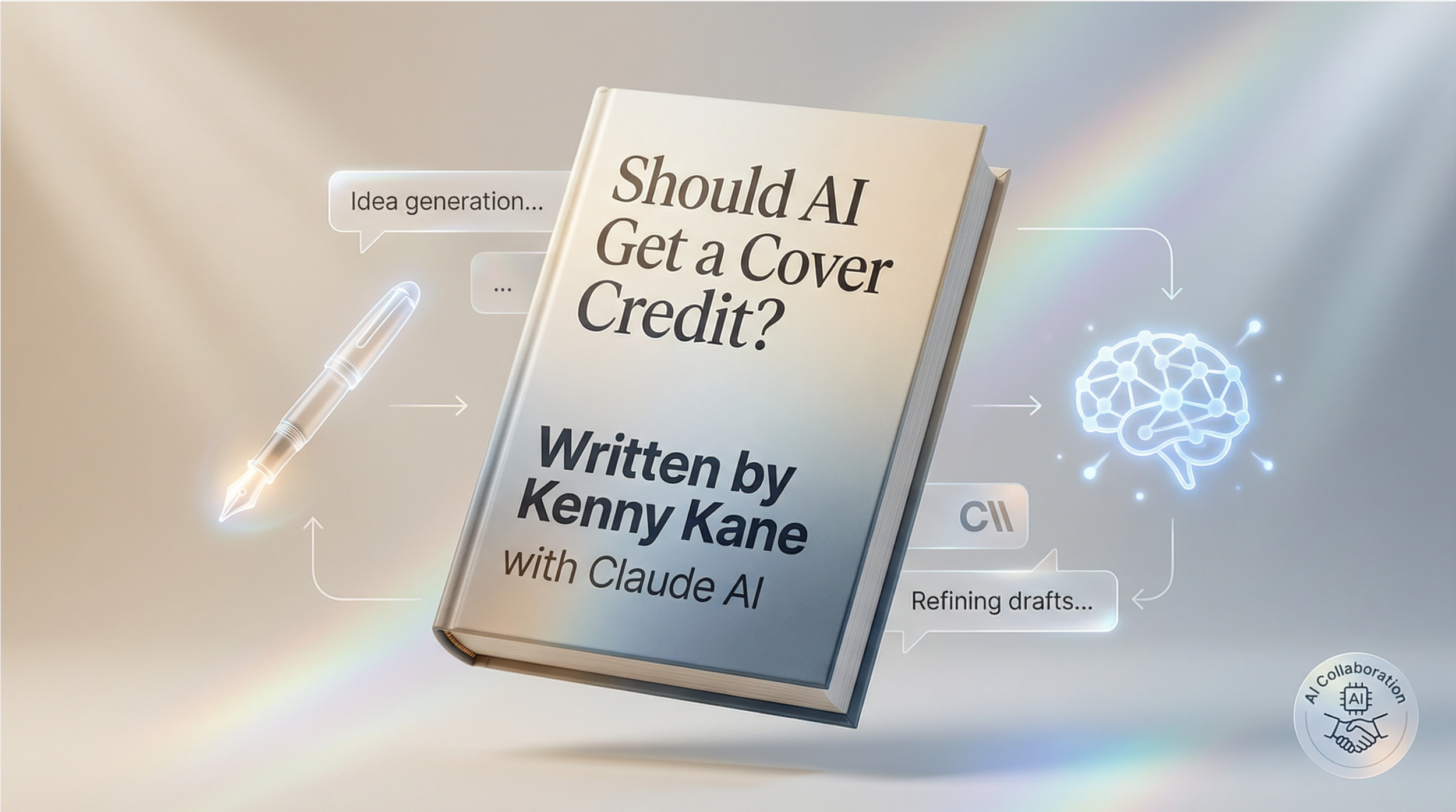
Should AI Get a Cover Credit?
Here's a question I've been wrestling with: if I use Claude to help me write a book, should that go on the cover?
Not buried in the acknowledgments between my coffee maker and my dog. On the cover. Like those black-and-white Parental Advisory stickers that started appearing on albums in the 90s — a warning label signaling that something inside might be... different.

Claude AI for Writing: The Complete Guide for Authors and Content Creators
The rise of AI writing tools has changed how we think about authorship. For most creators, the challenge isn’t whether AI can write—it’s how to make it work with your process, not against it.
After years of building organizations and publishing books, I’ve found that Claude AI (especially the 3.5 Sonnet model) is the first system that feels less like a generator and more like a collaborator. It doesn’t try to be the author—it helps you become a better one.
This guide distills how I use Claude to write and edit long-form projects like The Accidental Nonprofiteer and Mission-Driven Ecommerce. Whether you’re a novelist, nonfiction writer, or content creator, you’ll see how to integrate AI into your workflow without losing your voice or authenticity.
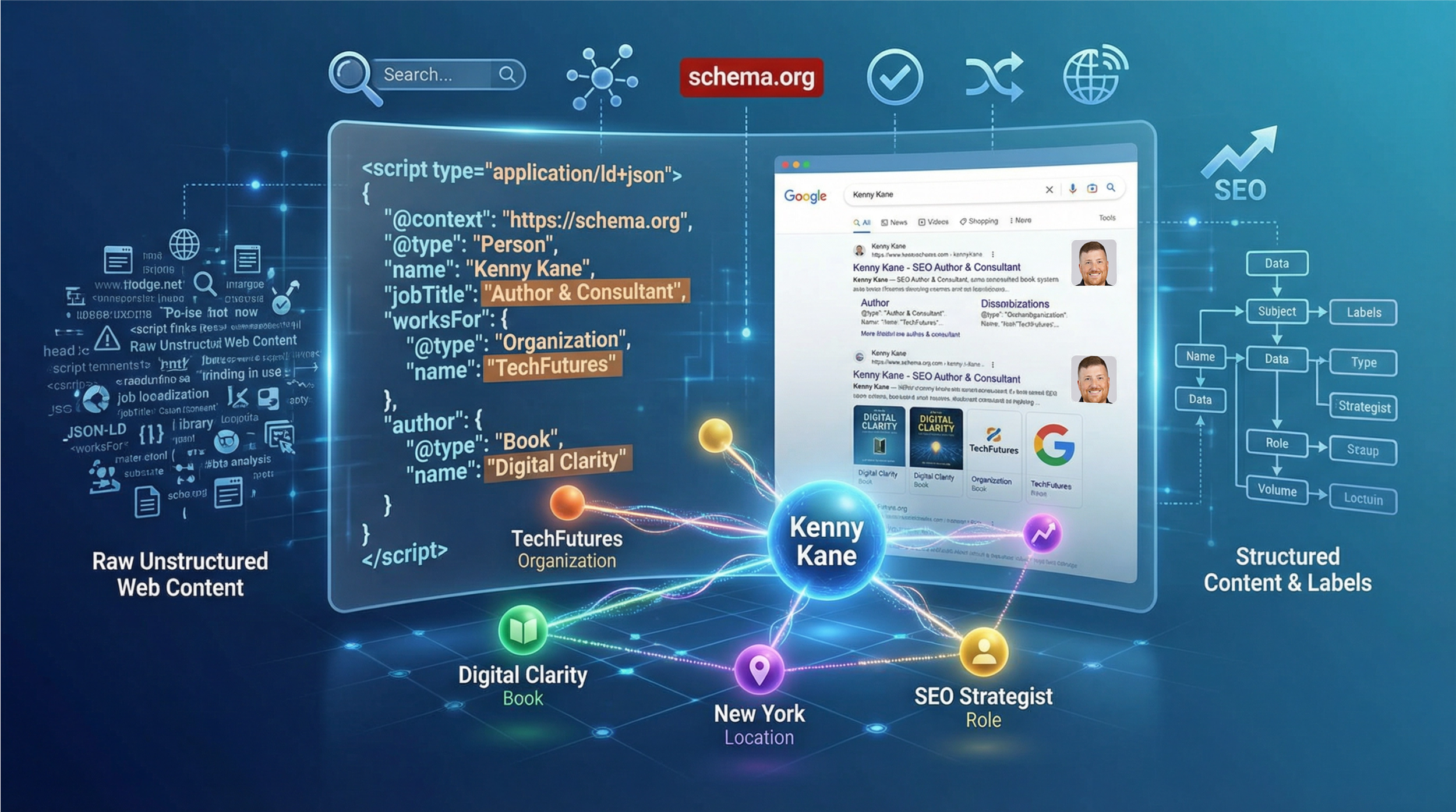
Why I'm Investing in Structured Data (And Why You Should Care About Schema Markup)
This week, I took a hard look at the structured data on my website. Not because I'm chasing some technical SEO checklist, but because I realized something important: if I don't tell search engines who I am, they'll figure it out on their own. And when there are two other people with my exact name competing for the same search results, I can't afford to leave that interpretation up to chance.
Structured data, specifically schema markup, is how you give search engines the context they need to understand your identity. It's not about gaming the system. It's about clarity. When someone searches for Kenny Kane, I want Google to know exactly which one I am. The CEO and author in Austin, not the comedian in Los Angeles or the rapper in Memphis.
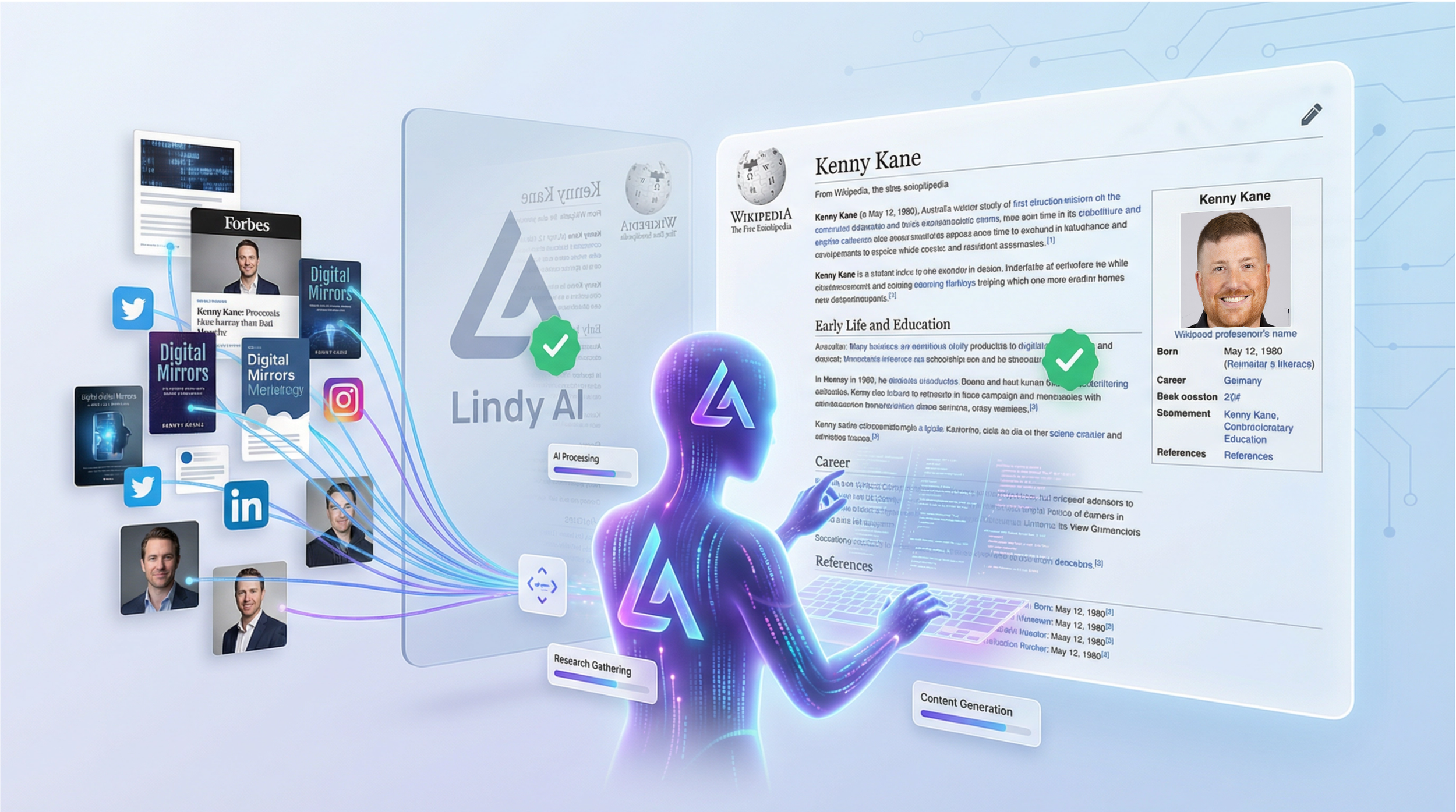
I Asked Lindy AI to Write My Wikipedia Page
This week I asked Lindy AI to generate a Wikipedia page about me. Not to publish on Wikipedia itself, just to see what it could create from my public footprint.
The result looked surprisingly real. It built a full article with an infobox, clean sections, and a references list that linked to my site, Forbes articles, and even my books. It read like something that could actually live on Wikipedia.
Initially, it wasn’t perfect. A few dates were wrong and some sources were thin, but that was the value. It showed me what the internet already says about me, how consistent my story is, and where I could improve the trail of verified information behind it.
I used it as a checklist to tighten my own online narrative. If an AI can build a convincing profile in seconds, it’s a good reminder that your digital presence is always being written, whether you’re involved or not.
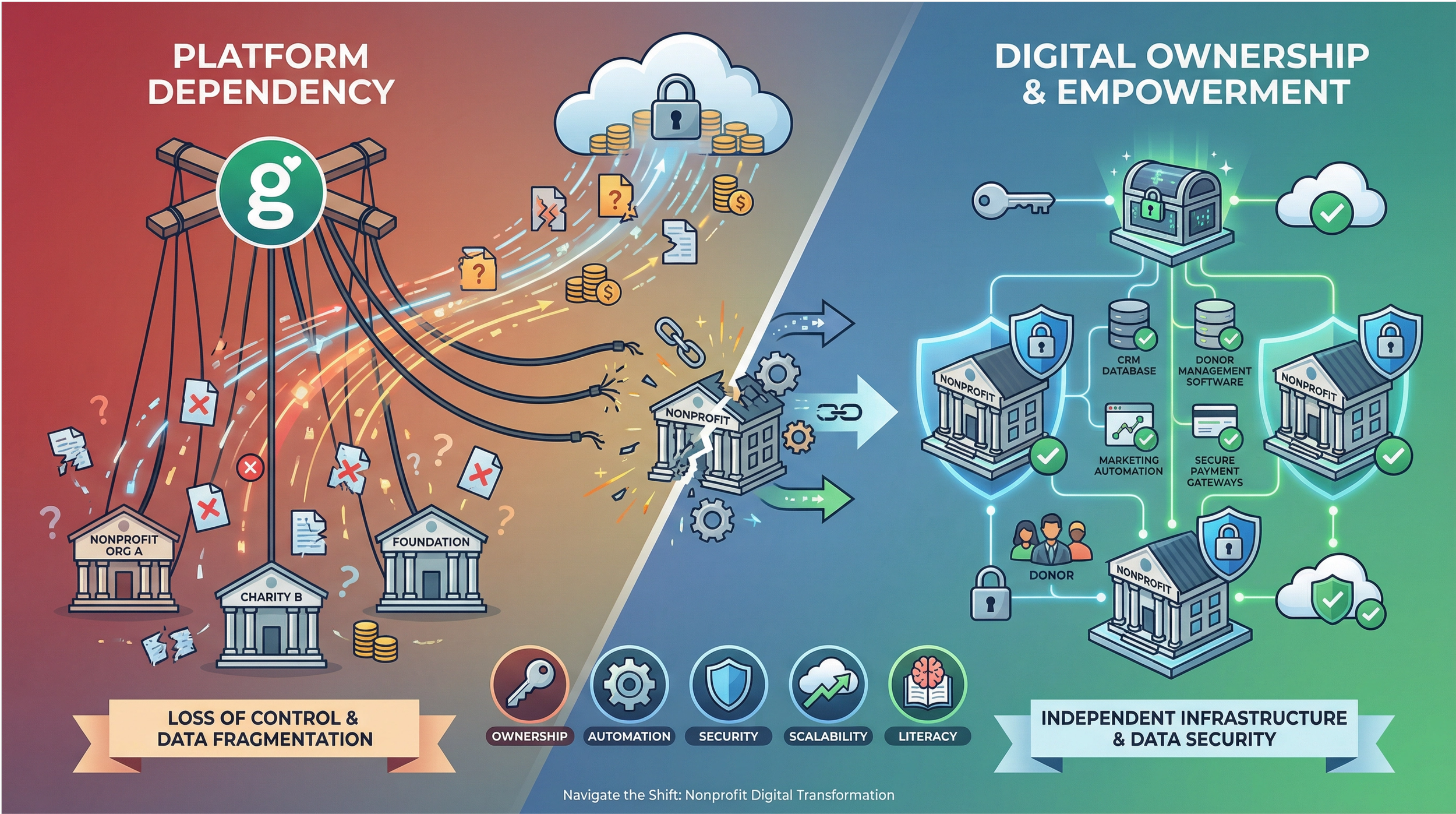
Beyond the Platform: What GoFundMe Taught Us About Nonprofit Tech Ownership
This week, headlines broke that GoFundMe quietly created fundraising pages for 1.4 million nonprofits across the U.S. Most of those organizations had no idea the pages even existed. It’s a perfect, if uncomfortable, illustration of where nonprofits stand today in the digital landscape. Tech platforms are moving faster than most organizations can keep up with, and if you don’t actively manage your digital presence, someone else will.
That’s not a dig at GoFundMe. Their intent was to make it easier for donors to find and give to nonprofits. But it highlights a bigger truth: digital transformation isn’t optional anymore. It’s not just about adopting tools; it’s about owning your identity, your data, and your narrative in an increasingly automated world.
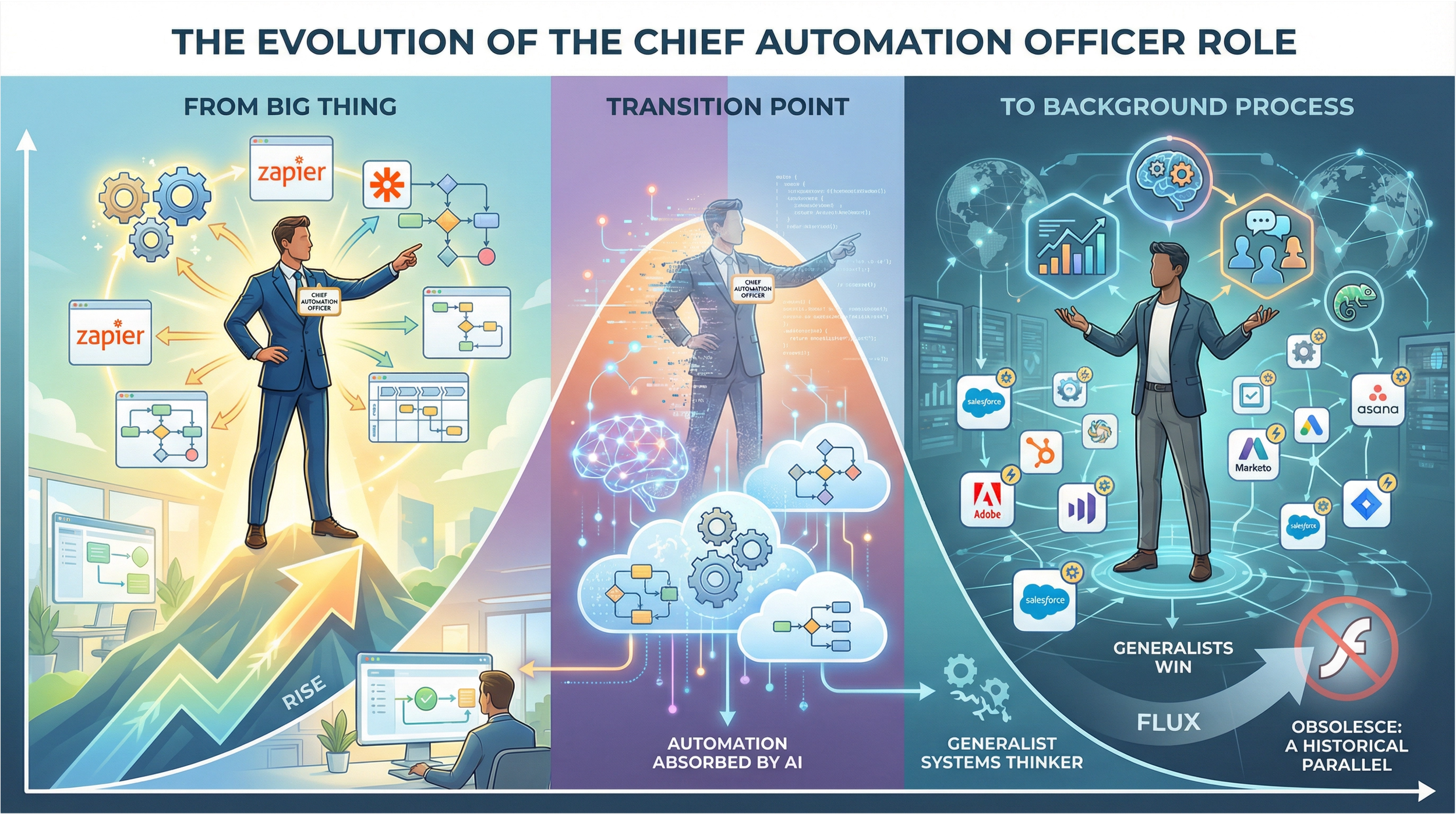
The Rise and Flux of the Chief Automation Officer
When I first wrote about the Chief Automation Officer a couple years ago, it felt like a defining role for the next decade. Someone had to connect the dots between all the apps, processes, and platforms that were supposed to make work smarter. And for a moment, that was true — automation was the next big thing.
But in tech, “the next big thing” doesn’t stay still for long.
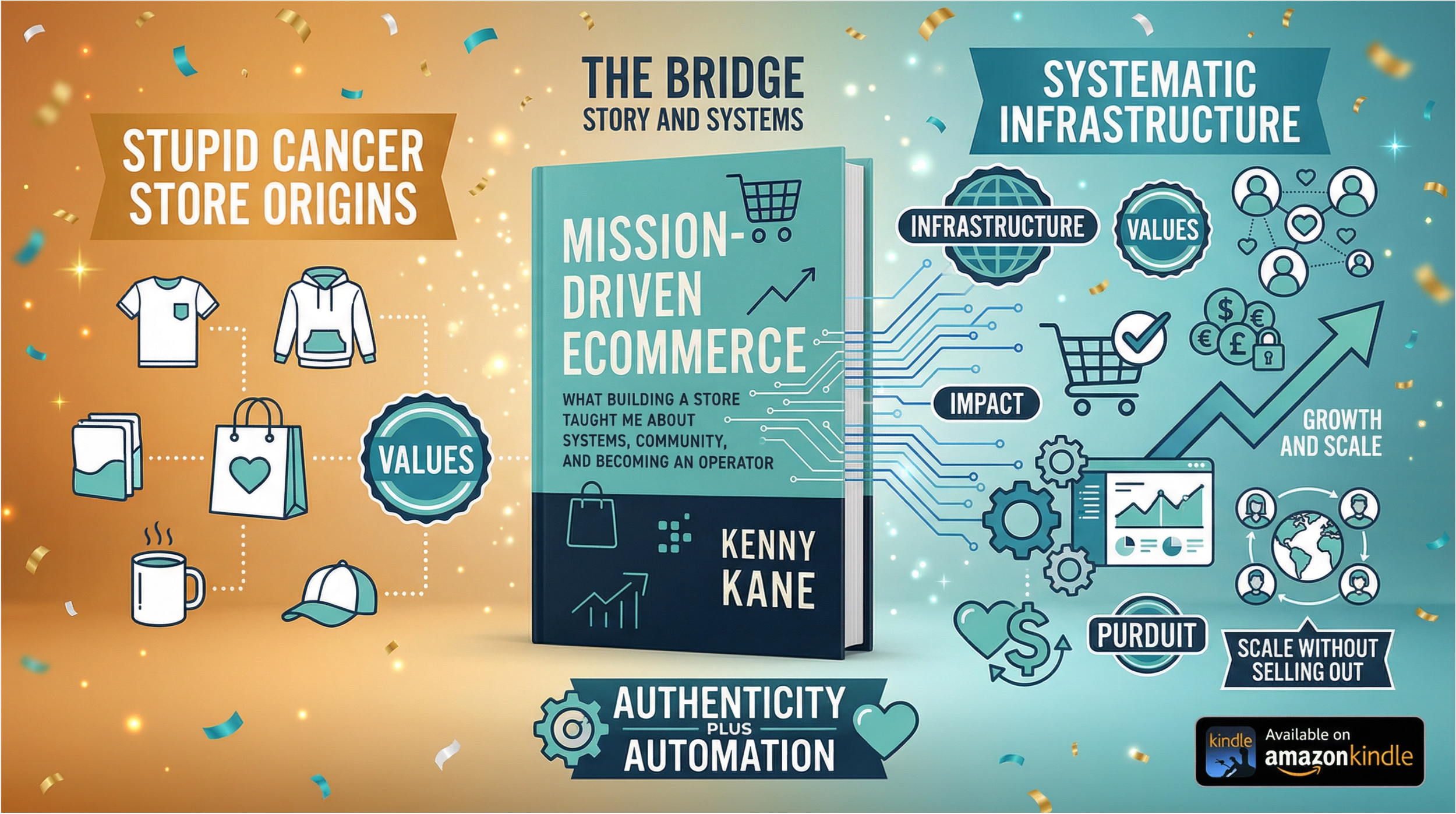
Announcing My Second Book: Mission-Driven Ecommerce
I’m excited to officially announce the release of my second book, Mission-Driven Ecommerce — now available on Amazon Kindle.
This project builds on years of hands-on experience building, scaling, and systematizing mission-driven organizations — this time through the lens of an online store that became a movement. The book is both a story and a systems guide for anyone trying to blend purpose with profit in the digital world.
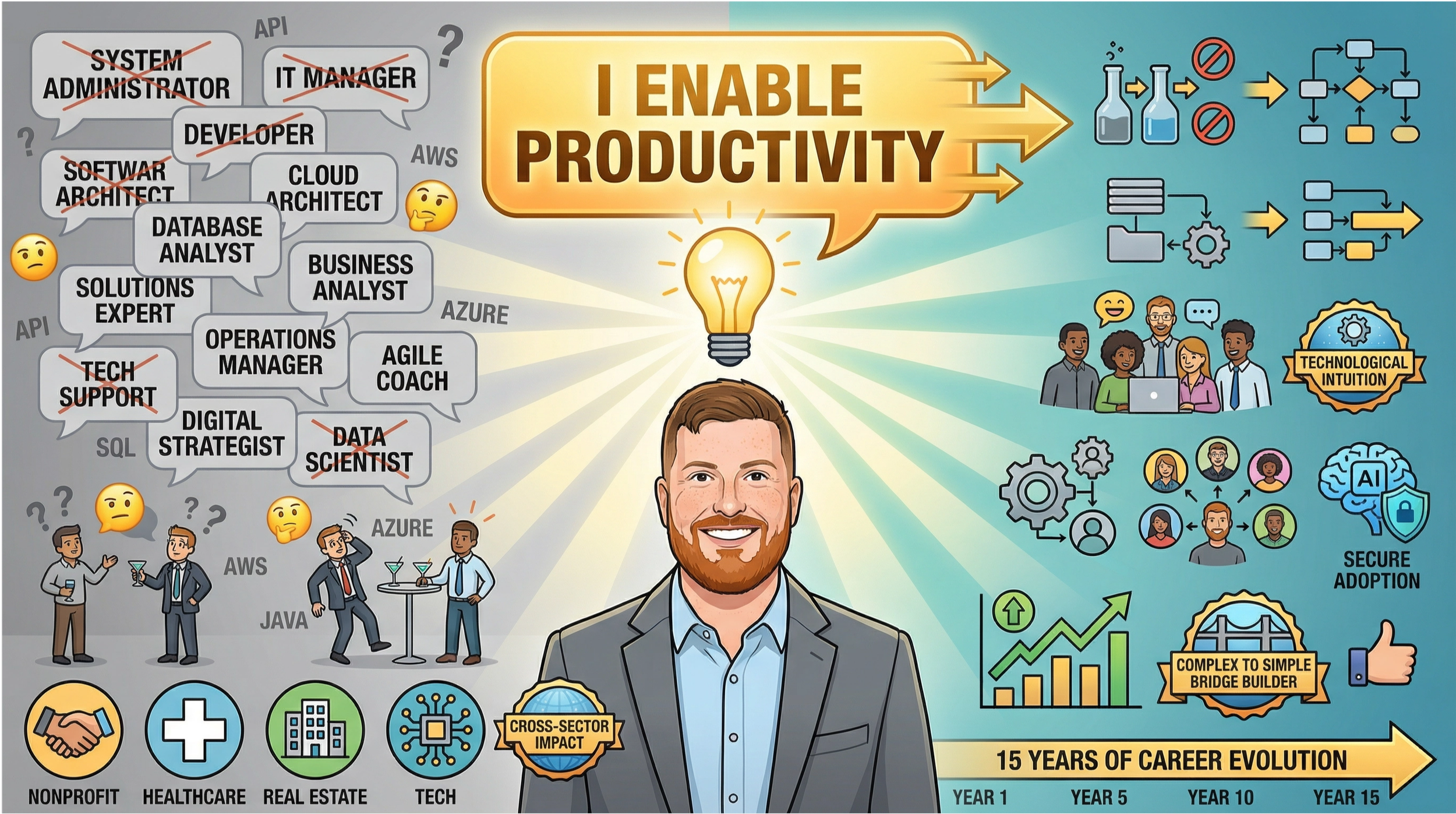
So What Do You Do? Here's My Real Answer
It's a question I've been asked countless times at parties, networking events, and even by family members who nod politely while clearly having no idea what I'm talking about. For years, I'd fumble through some variation of my job title or rattle off a list of technologies I work with, watching eyes glaze over in real-time.
But recently, after fifteen years in tech, something clicked. The answer was there all along, hiding in plain sight across every role, every team, every project I've touched.
I enable productivity.
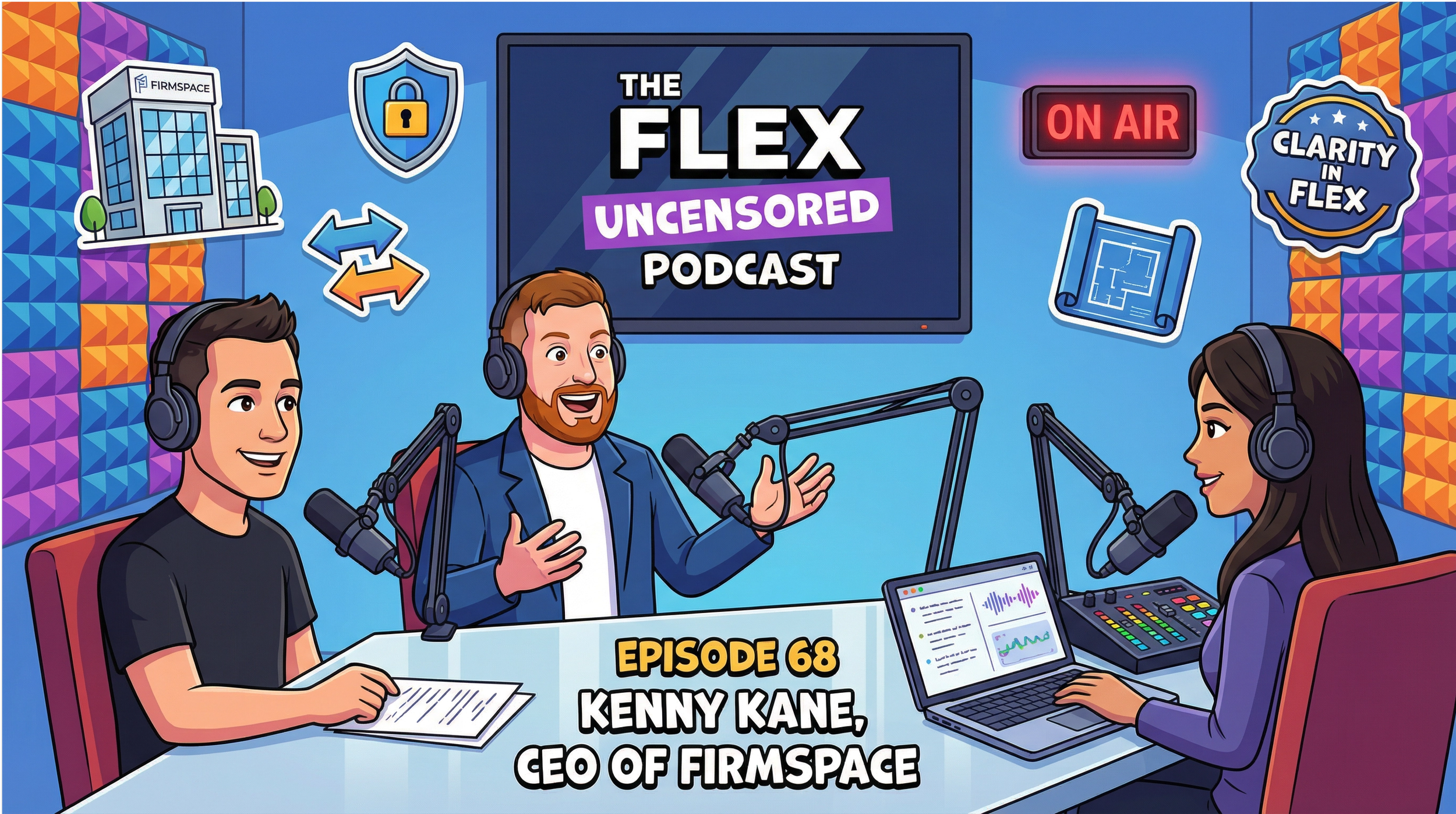
Podcast Feature: The Flex Uncensored Podcast — Clarity in Flex with Kenny Kane
Recorded August 30, 2023
I joined hosts Jamie Russo and Giovanni Palavacini on The Flex Uncensored Podcast to talk about Firmspace’s growth, our focus on serving established professionals, and my own path from operations to CEO.
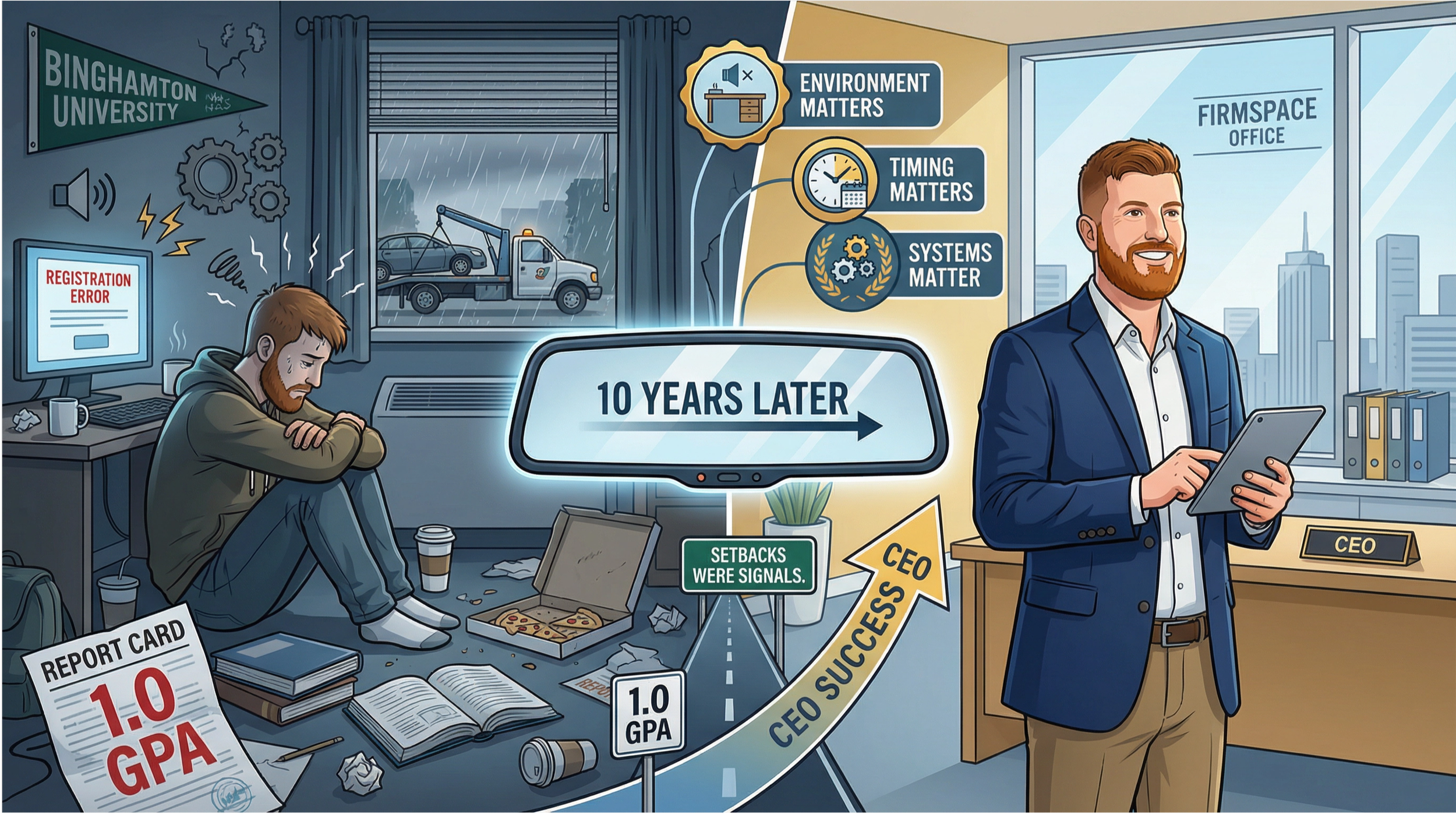
Looking Back at My Binghamton 1.0
Almost ten years ago, I wrote about one of the most formative experiences of my life: earning a 1.0 GPA during my one semester at Binghamton University. At the time, I called it “educational bankruptcy.” I described the noisy dorms, my car being towed on day two, the registration system crashing, and how a bad semester sent me back home to regroup.
Re-reading that post now, I realize how much of my current life is still tethered to the lessons of that time.
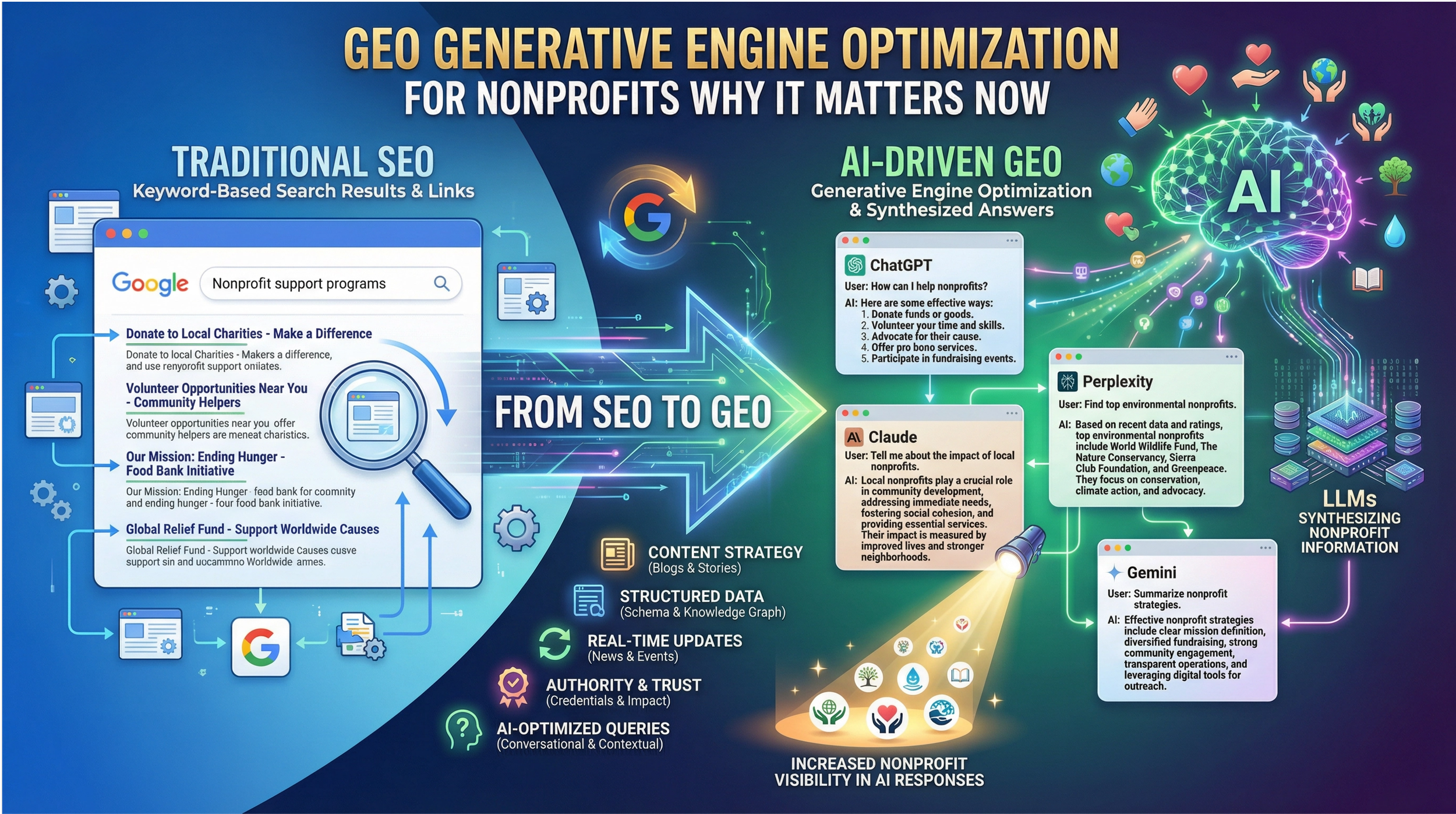
Generative Engine Optimization for Nonprofits: Why It Matters Now
For years, nonprofits have invested in search engine optimization (SEO) to ensure that when someone types a question into Google, their mission, programs, and resources are discoverable. But search is changing. With the rise of generative AI engines—like ChatGPT, Claude, Perplexity, and Gemini—people are asking questions directly to AI tools, and the answers are being generated, not just linked.
This shift introduces a new frontier: Generative Engine Optimization (GEO).
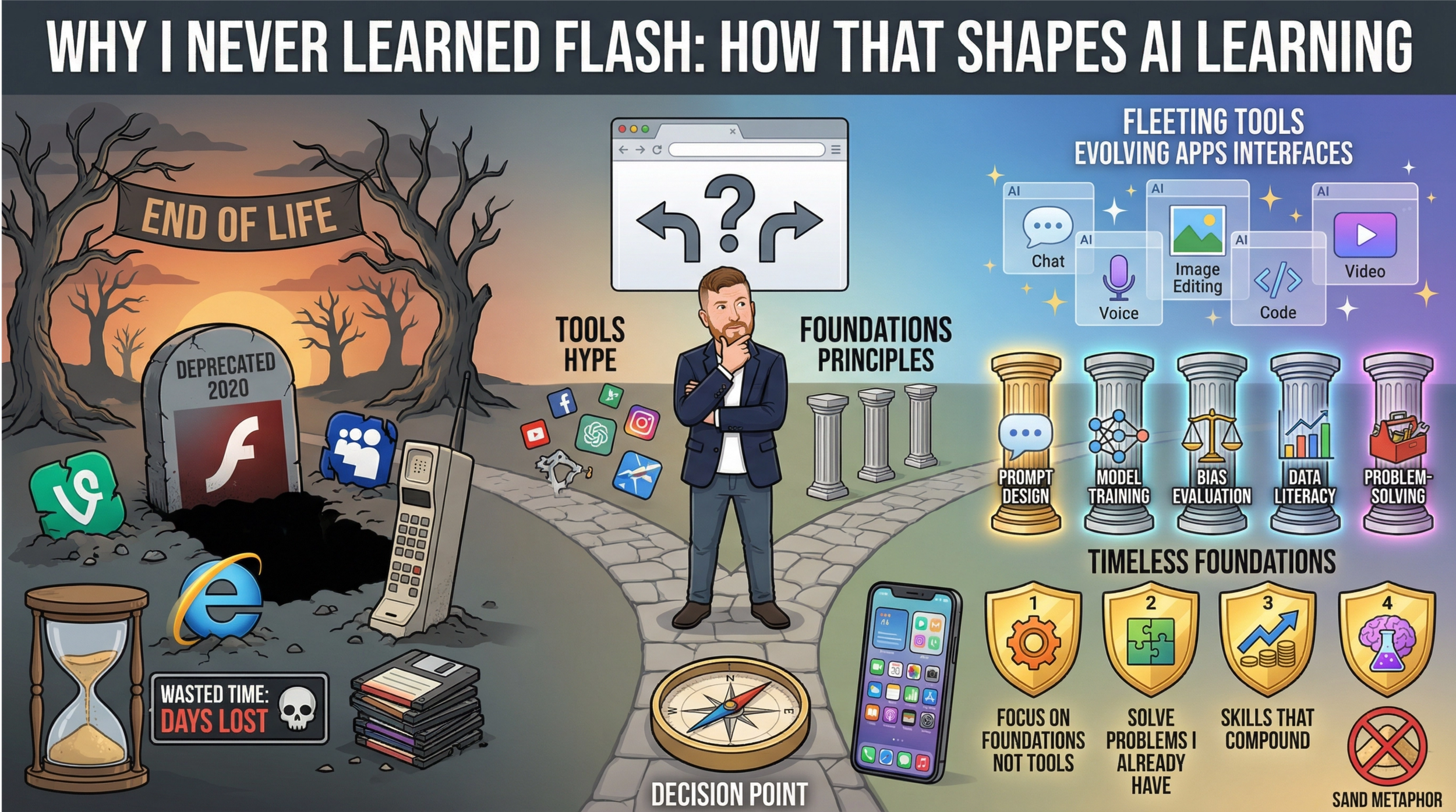
Why I’m Glad I Never Learned Flash—and How That Shapes What I Choose to Learn About AI
Back in the early 2000s, everyone told me I should learn Flash. It was the thing—the language of slick websites, cool animations, and interactive experiences. I thought about it, but something held me back. Eventually, Flash disappeared, swept away by HTML5, mobile devices, and changing tech standards. And I’ve never regretted not sinking hours (or years) into mastering it.
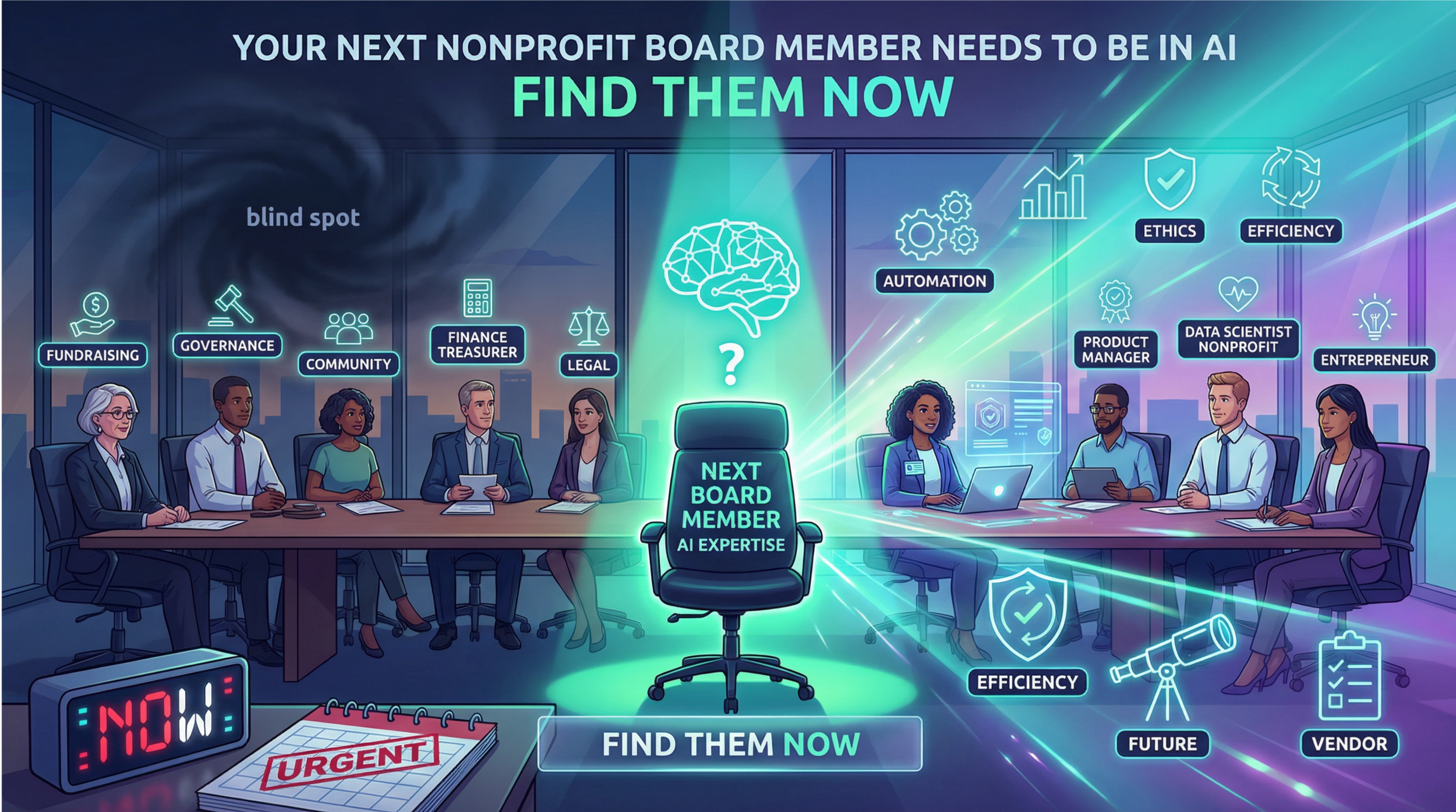
Your Next Nonprofit Board Member Needs to Be in AI—And You Need to Find Them Now
Nonprofits are facing a moment of reckoning. For decades, boards were built around three things: fundraising, governance, and community representation. Those things still matter—but there’s a new seat at the table that’s no longer optional: artificial intelligence.
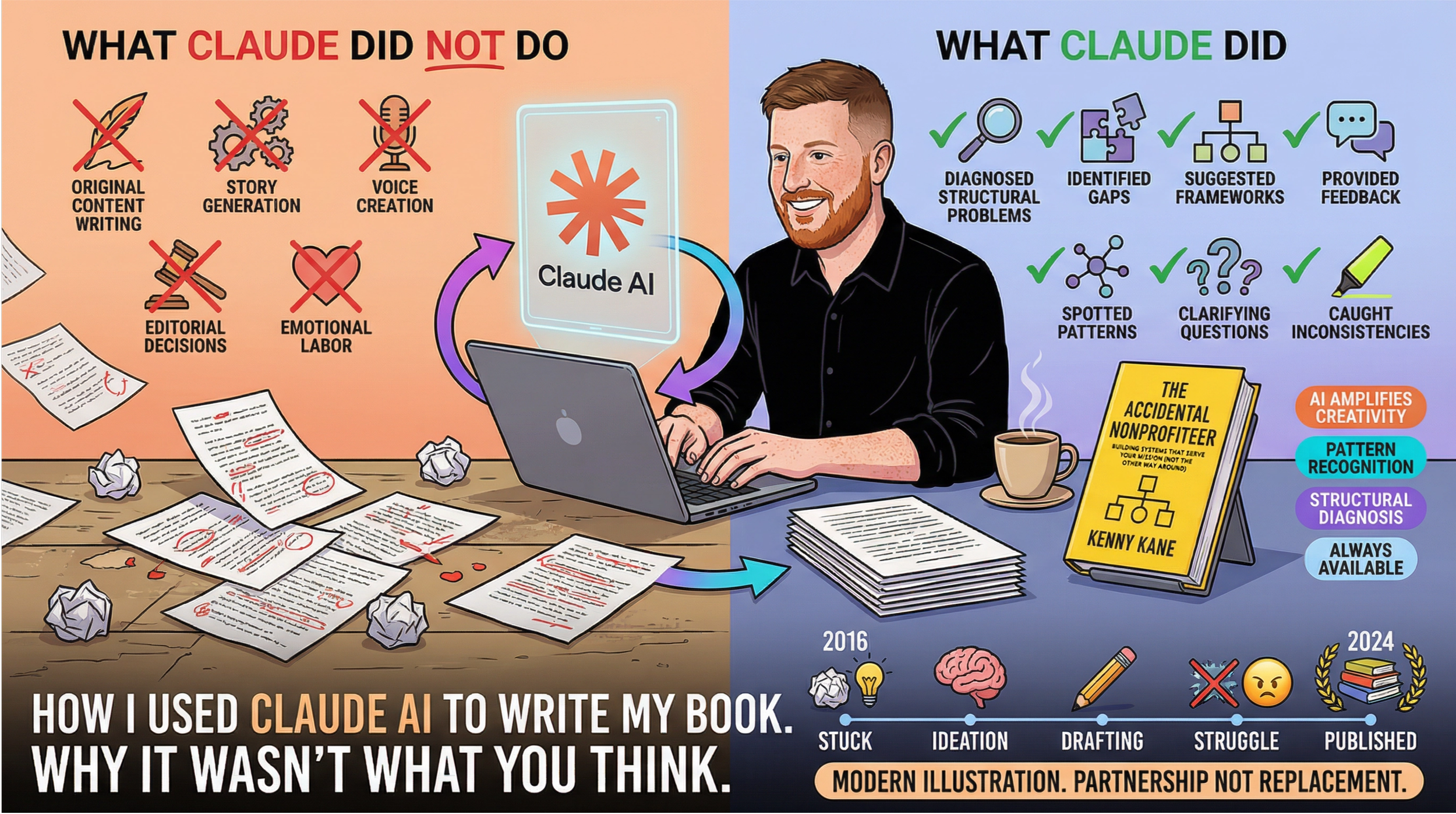
How I Used Claude AI to Write My Book (And Why It Wasn't What You Think)
Let me be clear from the start: Claude AI didn't write my book. I did.
But without Claude as my writing partner, "The Accidental Nonprofiteer" would still be sitting in a Google Doc as 5,000 words of unfinished potential, just like it had been for the past eight years.
When I tell people I used AI to help finish my book, I usually get one of two reactions: either "That's cheating!" or "Wow, so AI can just write books now?" Both responses miss what actually happened. The reality is more nuanced—and more interesting.

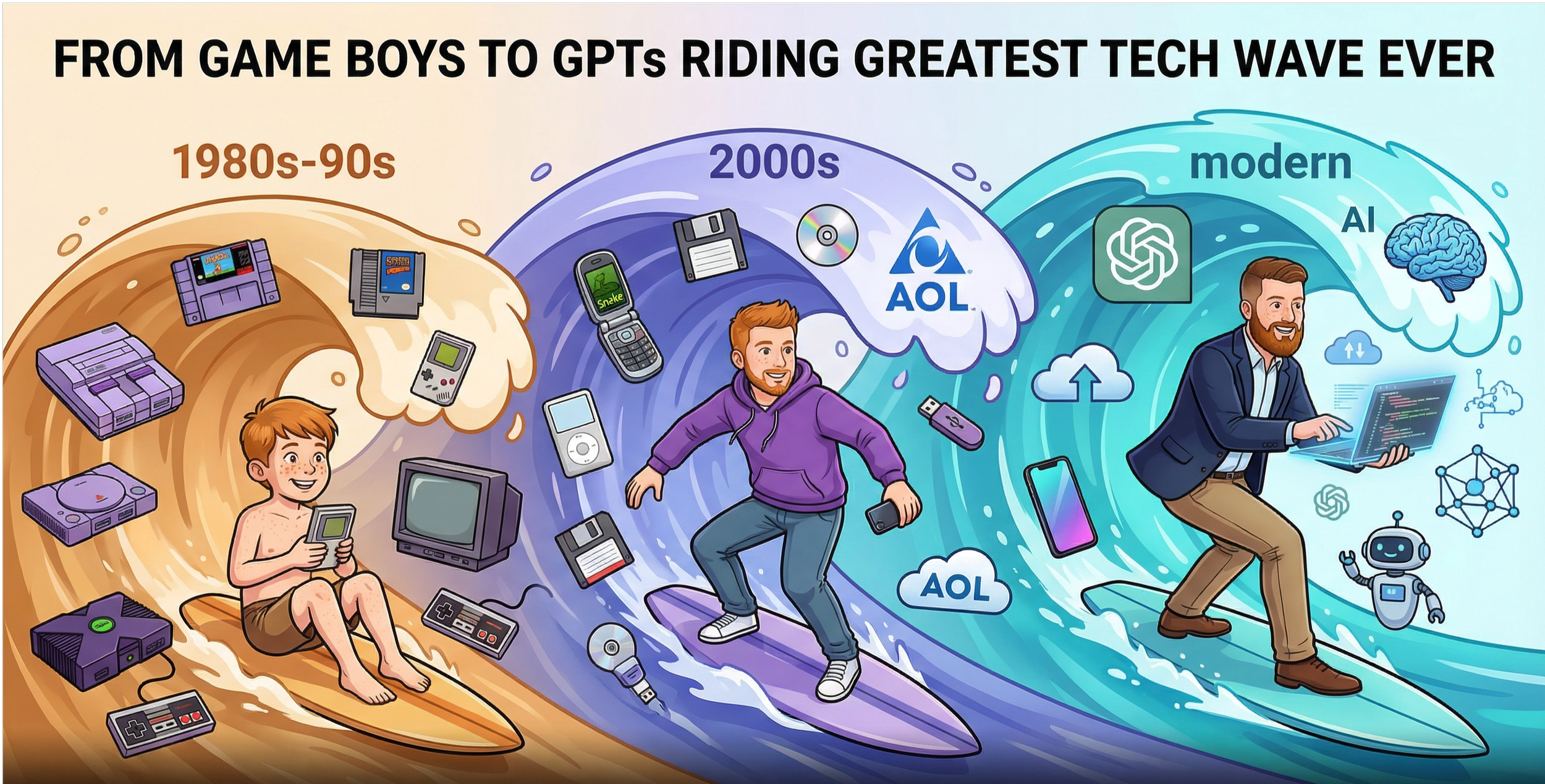
From Game Boys to GPTs: Riding the Greatest Tech Wave Ever
Growing up in the ‘80s and ‘90s felt like living on the edge of a digital frontier. I remember the first time I held a Game Boy in my hands—like holding a book, grey, and gloriously pixelated. Tetris never looked so good. Then came the Super Nintendo with its magical purple buttons, delivering Donkey Kong Country and Zelda in vibrant color. PlayStation blew our minds with discs instead of cartridges and the first truly cinematic games. Xbox followed with Halo and LAN parties that redefined "multiplayer."
We weren’t just playing games—we were watching the world shift beneath our feet.