
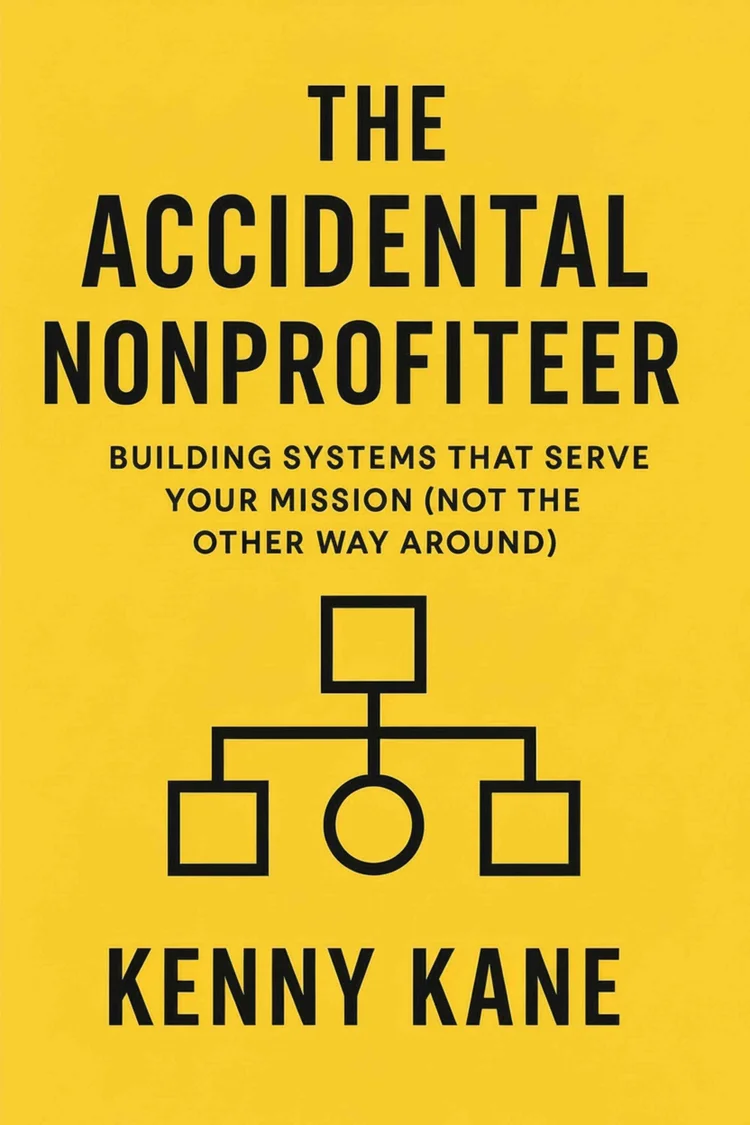
The Accidental Nonprofiteer
Building Systems That Serve Your Mission (Not the Other Way Around)
From a teenager learning customer service behind a pharmacy counter to building systems that served thousands of cancer survivors, this book follows the path many nonprofit leaders actually take: into the work first, and into the theory afterward. It is a practical account of what held up and what did not, written by someone who was inside the operation.
What This Book Is About
Into the work first, and into the theory afterward.
I started as an intern in 2010 because I needed college credit. Six years later I was the chief operating officer of a national organization, and most of what I knew I had learned by getting it wrong first.
This book is the record of that. Volunteer programs, email operations, event production, ecommerce, the infrastructure a small organization runs on when there is no budget for infrastructure. What held up, what did not, and why the difference is usually structural rather than personal.
The argument, to the extent there is one, is that a mission is not a system. Good intentions do not survive turnover. Processes, documentation, and infrastructure sometimes do, and building those is most of the job.
A mission is not a system. Good intentions do not survive turnover.
Who It's For
People running organizations on memory and judgment.
Small organizations usually run on what two or three people happen to know. That works, and it is fragile. This book is for the people holding that knowledge, and for anyone trying to move it somewhere safer.
- Accidental founders who started something out of personal experience or community need
- Small nonprofit staff wearing several hats and trying to professionalize operations
- Volunteer leaders running programs, chapters, or initiatives inside larger organizations
- Anyone who has inherited a role and found that most of it was never written down
Where It Sits
The first of three.
Each of my books describes the same failure from a different angle: an organization builds real capability, and that capability turns out to live inside one or two people rather than inside the organization. This is the first one, and the broadest.
In August 2026 I began doctoral study at Texas State University's McCoy College of Business. My research interests are in organizational durability and executive dependency: why execution capacity concentrates in individuals, and what documentation, process design, and technology actually transfer when those individuals leave. These books are the practitioner record that came first.
Mission-Driven Ecommerce. The same organization, one operation deep: what building a store taught me about systems, community, and hand-offs.
Read more →Own Your Name. The same problem applied to a person: making a public record accurate enough for search engines and AI systems to read.
Read more →About the Author
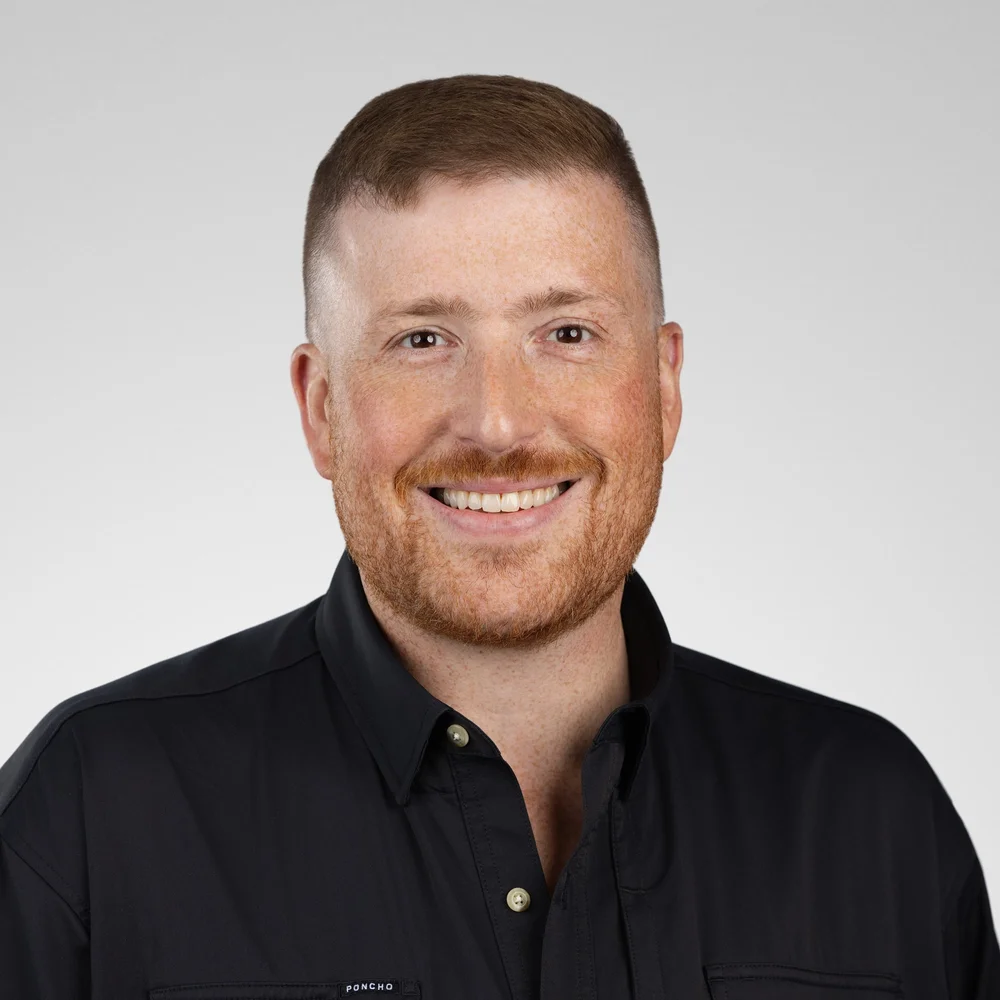
Kenny Kane runs organizations and studies what makes them durable.
He is CEO of Firmspace, a premium private office and executive suite company with locations in Austin, Denver, Houston, and Atlanta; CEO of the Testicular Cancer Foundation; and Co-Founder, Board Member, and Chief Technology Officer of Gryt Health.
He has spent more than fifteen years in operating roles across real estate, health technology, and the nonprofit sector, including six years at Stupid Cancer, where he joined as an intern in 2010 and left as Chief Operating Officer in 2016. He is a doctoral student at Texas State University's McCoy College of Business and lives in Austin, Texas.
Details
Editions and listings.
- Published2024
- FormatsKindle, Apple Books, Google Play
- IdentifierASIN B0FLXM8QF4
- Reviews
- Also listedForbes Councils Executive LibraryA member listing in Forbes Councils, a paid membership program. Not Forbes editorial coverage.
- Author pages
Review copies and excerpts.
For a review copy, permission to republish an excerpt, or a conversation about the material, get in touch.