Insights on Building Mission-Driven Organizations
Practical lessons from 15+ years of leadership across nonprofits, real estate, and healthtech. Topics include AI implementation, nonprofit operations, business systems, and what it takes to scale organizations without losing your mission.
Claude AI for Writing: The Complete Guide for Authors and Content Creators
The rise of AI writing tools has changed how we think about authorship. For most creators, the challenge isn’t whether AI can write—it’s how to make it work with your process, not against it.
After years of building organizations and publishing books, I’ve found that Claude AI (especially the 3.5 Sonnet model) is the first system that feels less like a generator and more like a collaborator. It doesn’t try to be the author—it helps you become a better one.
This guide distills how I use Claude to write and edit long-form projects like The Accidental Nonprofiteer and Mission-Driven Ecommerce. Whether you’re a novelist, nonfiction writer, or content creator, you’ll see how to integrate AI into your workflow without losing your voice or authenticity.
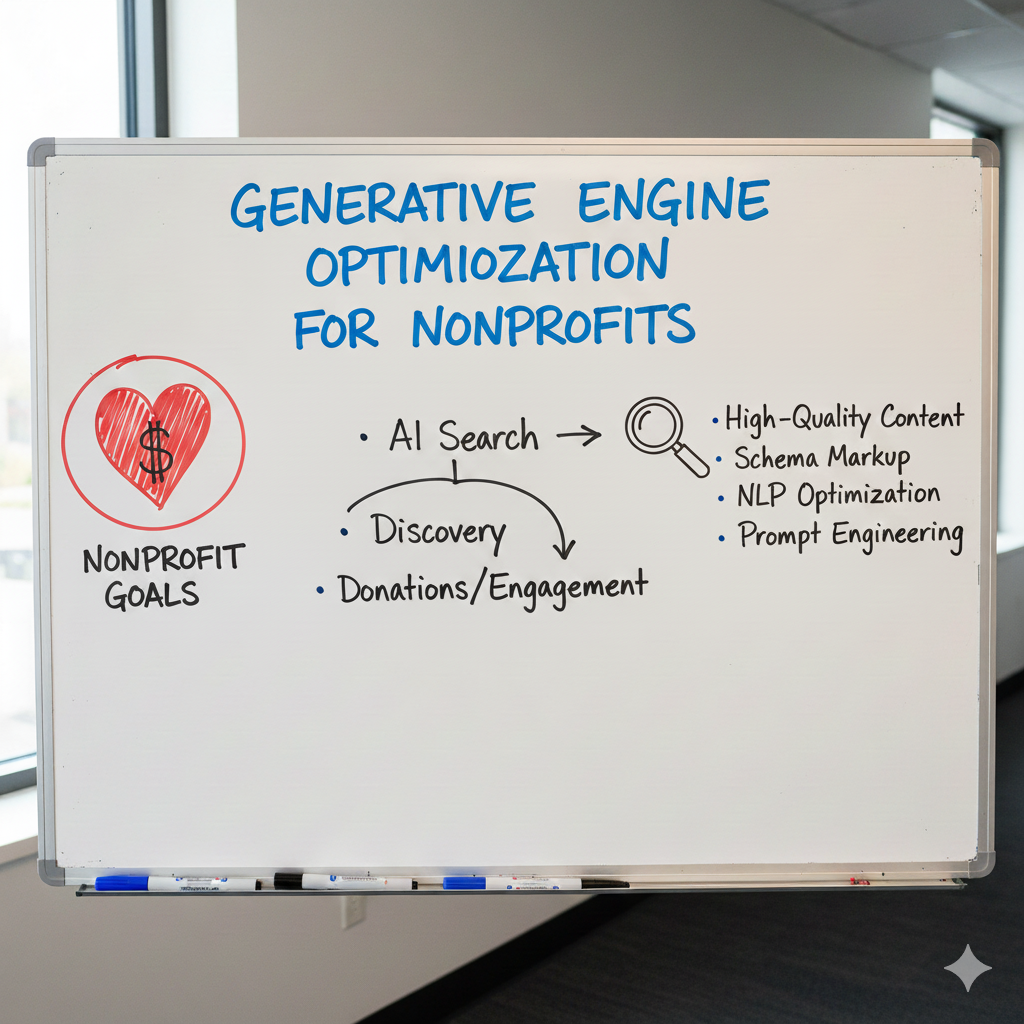
Why I'm Investing in Structured Data (And Why You Should Care About Schema Markup)
This week, I took a hard look at the structured data on my website. Not because I'm chasing some technical SEO checklist, but because I realized something important: if I don't tell search engines who I am, they'll figure it out on their own. And when there are two other people with my exact name competing for the same search results, I can't afford to leave that interpretation up to chance.
Structured data, specifically schema markup, is how you give search engines the context they need to understand your identity. It's not about gaming the system. It's about clarity. When someone searches for Kenny Kane, I want Google to know exactly which one I am. The CEO and author in Austin, not the comedian in Los Angeles or the rapper in Memphis.
I Asked Lindy AI to Write My Wikipedia Page
This week I asked Lindy AI to generate a Wikipedia page about me. Not to publish on Wikipedia itself, just to see what it could create from my public footprint.
The result looked surprisingly real. It built a full article with an infobox, clean sections, and a references list that linked to my site, Forbes articles, and even my books. It read like something that could actually live on Wikipedia.
Initially, it wasn’t perfect. A few dates were wrong and some sources were thin, but that was the value. It showed me what the internet already says about me, how consistent my story is, and where I could improve the trail of verified information behind it.
I used it as a checklist to tighten my own online narrative. If an AI can build a convincing profile in seconds, it’s a good reminder that your digital presence is always being written, whether you’re involved or not.
Beyond the Platform: What GoFundMe Taught Us About Nonprofit Tech Ownership
This week, headlines broke that GoFundMe quietly created fundraising pages for 1.4 million nonprofits across the U.S. Most of those organizations had no idea the pages even existed. It’s a perfect, if uncomfortable, illustration of where nonprofits stand today in the digital landscape. Tech platforms are moving faster than most organizations can keep up with, and if you don’t actively manage your digital presence, someone else will.
That’s not a dig at GoFundMe. Their intent was to make it easier for donors to find and give to nonprofits. But it highlights a bigger truth: digital transformation isn’t optional anymore. It’s not just about adopting tools; it’s about owning your identity, your data, and your narrative in an increasingly automated world.