
My Year in AI
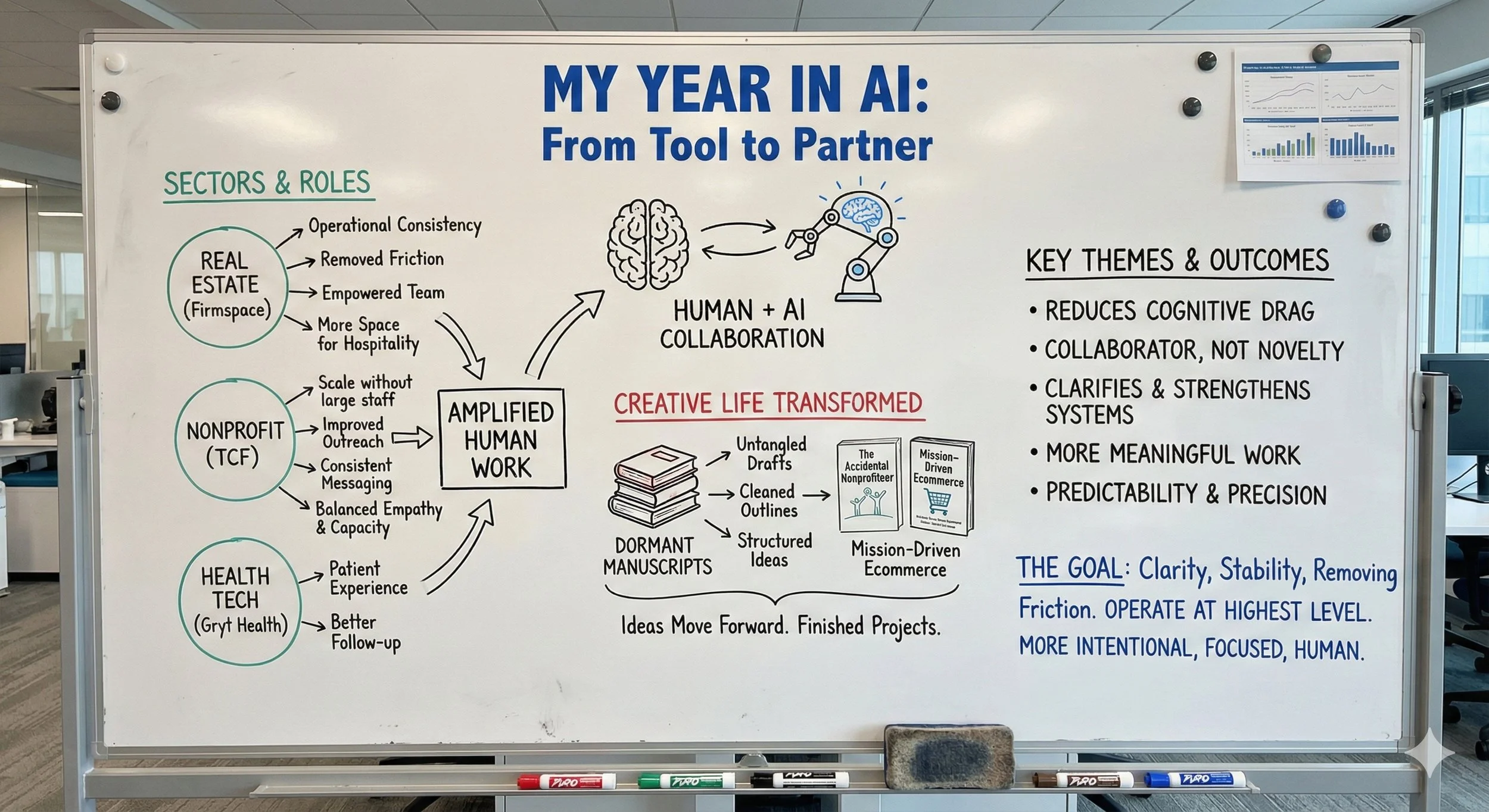
(Image generated from the contents of this blog post using Gemini Nano Banana Pro.)
This year was the first time artificial intelligence stopped feeling like a tool and started feeling like a partner. It was the first time I saw it not as something we bolt onto existing workflows but as something capable of reorganizing how my organizations think, operate, and scale. I entered the year curious. I am leaving it with a clear sense that my companies, my work, and even my personal operating rhythm have fundamentally changed.
My AI journey has been shaped by the fact that I work across different sectors. I run a real estate company that relies on operational consistency. I lead a national health nonprofit where trust and empathy matter more than efficiency. I collaborate on Gryt Health, a health tech organization focused on improving the patient experience in oncology. These roles should be worlds apart, yet AI made them feel connected. The same capabilities that helped a cancer survivor receive better follow-up also helped a Firmspace member get faster service. The common thread was not the technology itself. It was the intentional design of systems that amplified human work rather than replaced it.
At Firmspace, AI became a quiet force behind the reliability we promise. It removed the friction that used to slow our teams down and strengthened the consistency of our operations. AI now supports member communications, intake routing, service auditing, and the creation of materials for sales and engagement. It helped us refine quality control frameworks, sharpen internal documentation, and build knowledge systems that match the high-trust environment we offer. What surprised me most was how AI empowered our team. It cleared away administrative drag and created more space for hospitality, relationships, and thoughtful service, which sit at the center of proworking.
At the Testicular Cancer Foundation, AI allowed us to operate with a level of scale that would require a much larger staff. It improved donor follow-up, educational outreach, and creative content. It helped us stay ahead of the needs of men who reach out scared, uncertain, or newly diagnosed. It strengthened our national campaigns and partnerships by keeping our messaging consistent and timely. Capacity increased without diluting empathy, which is the tension every health nonprofit faces. AI made that balance possible.
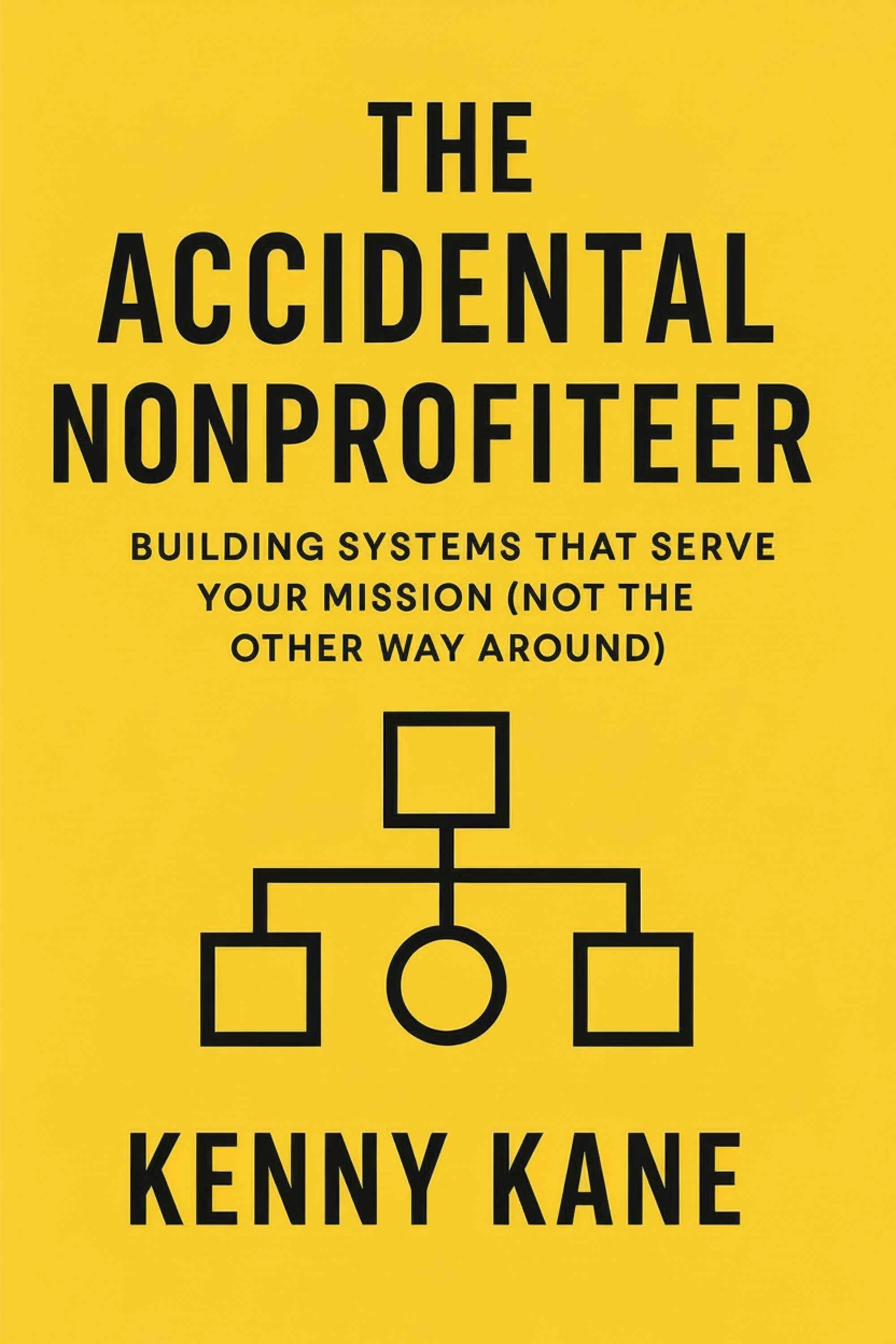
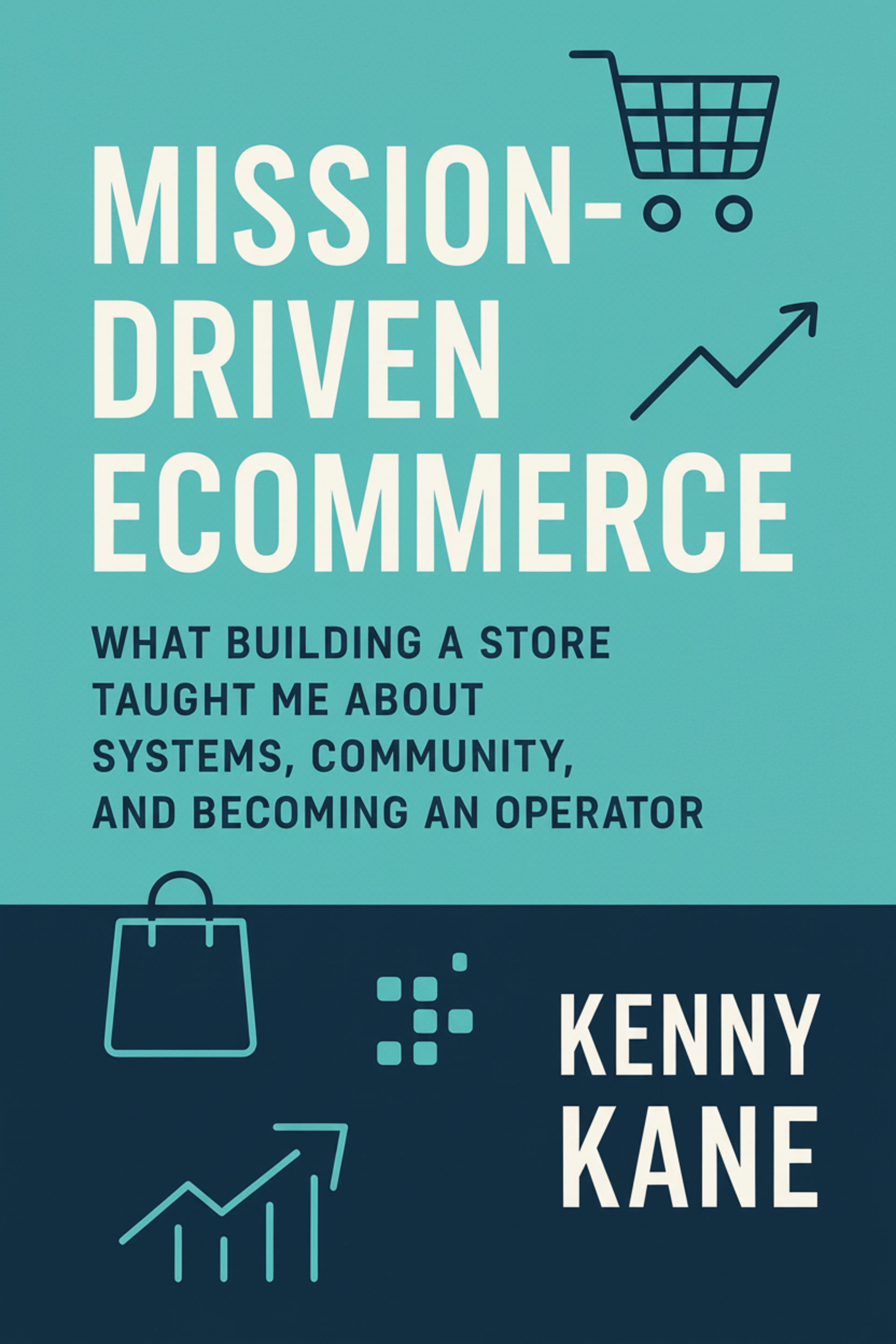
The most unexpected transformation happened in my creative life. I began revisiting manuscripts that had been sitting untouched for years. Old ideas that once felt too heavy or time consuming suddenly had momentum. AI helped me untangle drafts, clean up outlines, and turn scattered notes into chapters. It brought structure to ideas that had been dormant. That shift is what allowed me to publish two books this year. These projects lived in fragments across documents, notebooks, and voice memos. AI helped me unify them and finish them. Publishing them was more than a milestone. It reflected a deeper change in how I work. Ideas now move forward instead of stalling.
Throughout the year I developed new habits. I used voice driven drafting, automatic transcription, structured writing workflows, and research support that made my thinking sharper. AI helped me refine my website, plan marketing funnels, and consolidate years of operational knowledge across every role I hold. I became faster not because AI did the work for me but because it removed the distractions that normally slow creative and strategic work.
Looking back, two themes stand out. AI reduces cognitive drag, giving people the space to do their best work. And it works best when treated as a collaborator rather than a novelty. It is not magic and not a shortcut. It clarifies. It strengthens. It exposes weak points in systems and supports the parts that already function well.
Across my organizations, the outcome was the same. More time for meaningful work. More predictability in areas that used to be chaotic. More capacity without more staff. More precision without more overhead. It brought alignment to teams and coherence to my own thinking.
The year ahead will shift from exploration to integration. AI will move deeper into the core of each organization, not as an experiment but as infrastructure. Teams will learn to lead with it and alongside it. The goal is not more automation. The goal is clarity, stability, and the removal of unnecessary friction so people can operate at their highest level. AI gives us room to be more intentional, more focused, and more human.
My AI journey this year was never about technology. It was about operating with care and precision. It was about building organizations that are capable of meaningful work at scale. It was about becoming an operator whose tools finally keep pace with his ideas. The work ahead is to shape this new layer of intelligence into something durable, ethical, and aligned with the missions I serve.
