How AI Can Strengthen Nonprofit Operations Without Replacing Human Relationship Work
When I first started at Stupid Cancer, I took the CEO’s Outlook contacts from years of his personal advocacy work and manually entered every single one into SugarCRM. Line by line. Name, email, organization, phone number. Copy, paste, save. It took hours. And none of it felt connected to the mission. It was my first real glimpse into something every nonprofit eventually discovers. The work you care about is always competing with the work you can’t avoid.
For years, that kind of administrative drag was just part of the job. You powered through it. You made peace with the backlog. You assumed the operational chaos was permanent. The calls you didn’t return. The follow ups you meant to send. The donor updates that slipped because your CRM was a mess. It was constant.

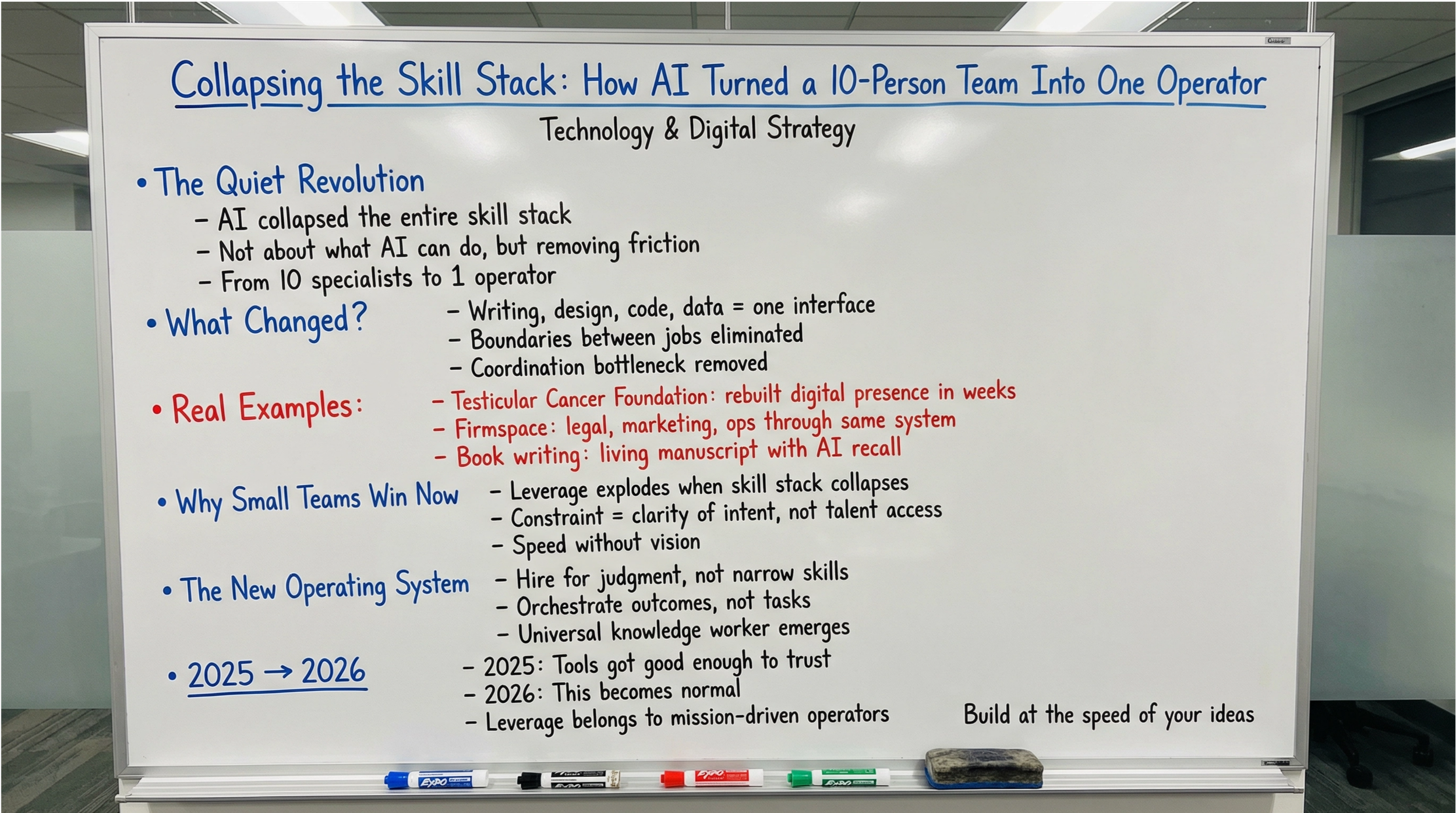
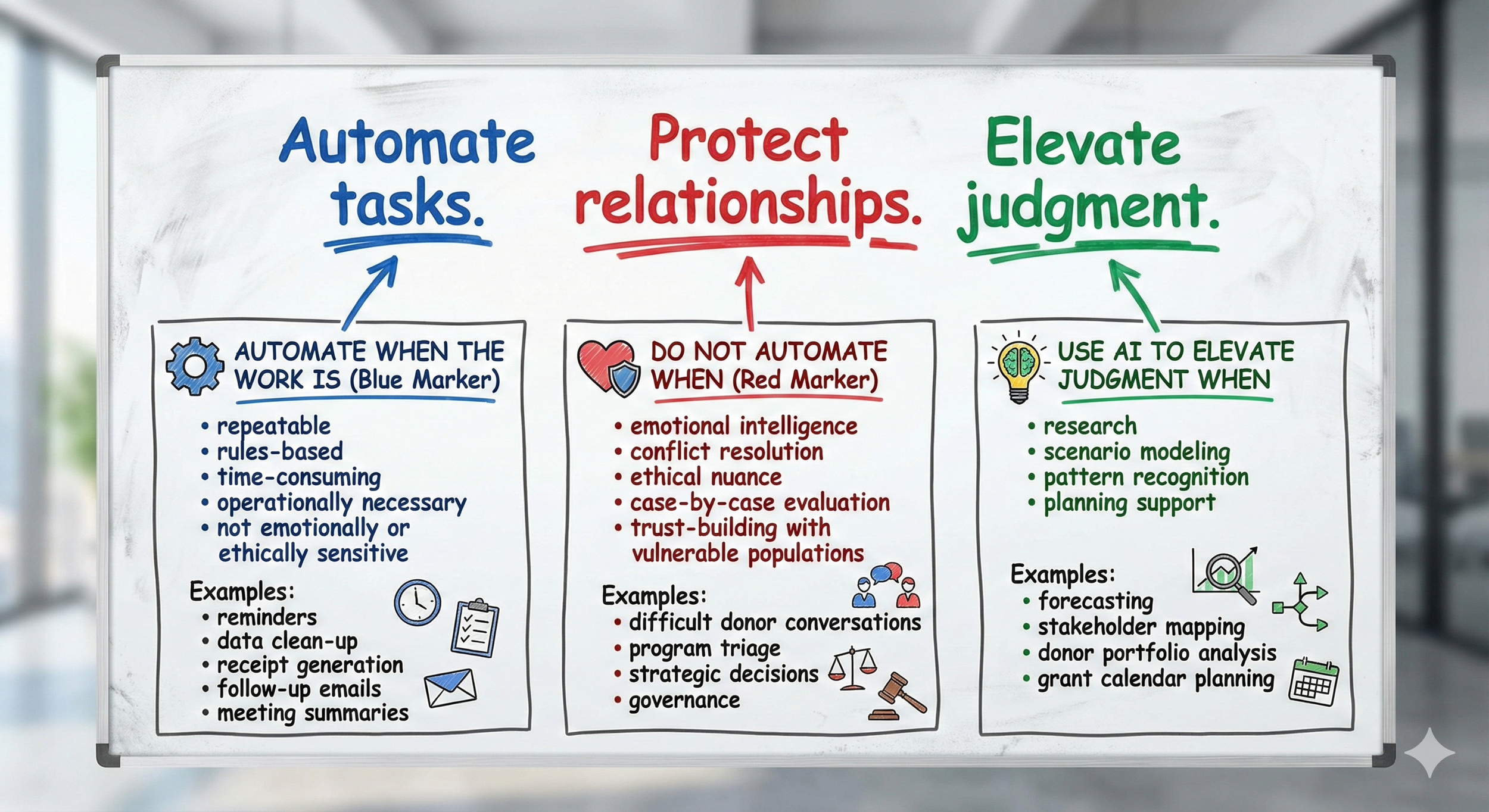
(Image generated from the contents of this blog post using Gemini Nano Banana Pro.)
When I first started at Stupid Cancer, I took the CEO’s Outlook contacts from years of his personal advocacy work and manually entered every single one into SugarCRM. Line by line. Name, email, organization, phone number. Copy, paste, save. It took hours. And none of it felt connected to the mission. It was my first real glimpse into something every nonprofit eventually discovers. The work you care about is always competing with the work you can’t avoid.
For years, that kind of administrative drag was just part of the job. You powered through it. You made peace with the backlog. You assumed the operational chaos was permanent. The calls you didn’t return. The follow ups you meant to send. The donor updates that slipped because your CRM was a mess. It was constant.
AI doesn’t erase the work. What it does is give you time back. And time is the one thing every nonprofit is starved for.
Where AI Actually Helps: Clearing the Path for Human Work
I didn’t start using AI because I wanted to innovate. I used it because I needed oxygen. Most nonprofit leaders know the feeling. You are always playing defense against your own to-do list.
So I started small. The first tool that surprised me was Granola, which creates AI-powered meeting minutes automatically. I stopped leaving meetings with a pile of handwritten notes and half-remembered tasks. Granola captured action items, decisions, and next steps so I could stay present with the people in the room instead of worrying about documentation.
From there, the shift snowballed.
Notion became my notes app, my wiki, my process library, and eventually my operations brain. I wrote less. I searched more. The information actually lived somewhere.
Zapier’s AI tools stepped in next. If something was repetitive, Zapier often had a way to automate it. Tagging donors. Routing form submissions. Generating reminders. Small tasks that add up fast.
And of course, there were the writing tools. ChatGPT and Claude help me with first drafts, summaries, event recaps, donor messages, and complicated emails that require more clarity than I can muster at 6 p.m. They do not replace my voice. They amplify it.
Then I added Manus, which handles the more complex digital work. Website updates. Micro landing pages for campaigns. Simple design tasks that used to require a freelancer. Manus can generate the first version so I can spend my time tightening the message instead of figuring out how to start.
None of these tools replaced the relationship-driven parts of my job. They simply cleared the debris.
Real Examples From the Field
Here is what this looks like in the real world.
A donor gives. Instead of waiting days for a thank you, an AI assistant can look at their history, draft a personalized message, update the CRM, and suggest the next follow up. You still approve it. But you didn’t lose the hour.
You run a workshop. Granola captures the meeting notes. Notion stores the feedback, agenda, and takeaways in one place. Zapier sends follow up messages to participants. You didn’t spend your entire afternoon chasing loose ends.
You prepare a grant report. Claude helps turn raw data into a draft. ChatGPT helps rework the narrative. Manus turns that story into a simple landing page to share outcomes with your community. You still shape the final product. You just start miles ahead.
None of these examples are theoretical. They are the difference between drowning in tasks and having the capacity to show up for people.
The Ethical Side: Staying Thoughtful While Moving Fast
Even with all these tools, the responsibility stays with you. People deserve transparency. Sensitive data should stay protected. Automated messages should be reviewed by a human before they go out. And no AI system should decide program eligibility or support access.
AI is a powerful partner. But you’re still the decision maker.
A Simple Framework for What To Automate
Over time, I’ve landed on a simple framework that keeps things grounded.
Automate the tasks. Protect the relationships. Elevate the judgment.
If something is repeatable, rules based, time consuming, and low risk, automation helps. If something requires emotional intelligence, conflict navigation, trust, or nuance, it belongs with a person. And if something involves thinking, planning, or storytelling, tools like ChatGPT, Claude, or Manus can strengthen your judgment without replacing it.
You build a better organization by freeing people to do the work that only people can do.
A More Human Sector Is Within Reach
I think back to that day with the Outlook contacts often. Back then, I didn’t know how much administrative work would shape my understanding of nonprofit life. I didn’t know how much it would pull me away from the people we were trying to serve.
AI won’t fix everything. But it gives us something we rarely get. Space. Time. Breathing room. It creates the conditions for better relationships, better thinking, and better leadership.
We do this work because we care about people. AI doesn’t replace that. It creates space for it.
If you suddenly got five hours back every week, where would you put them?
Thank you.
Kenny Kane standing in front of the 2012 Stupid Cancer Road Trip Beetle.
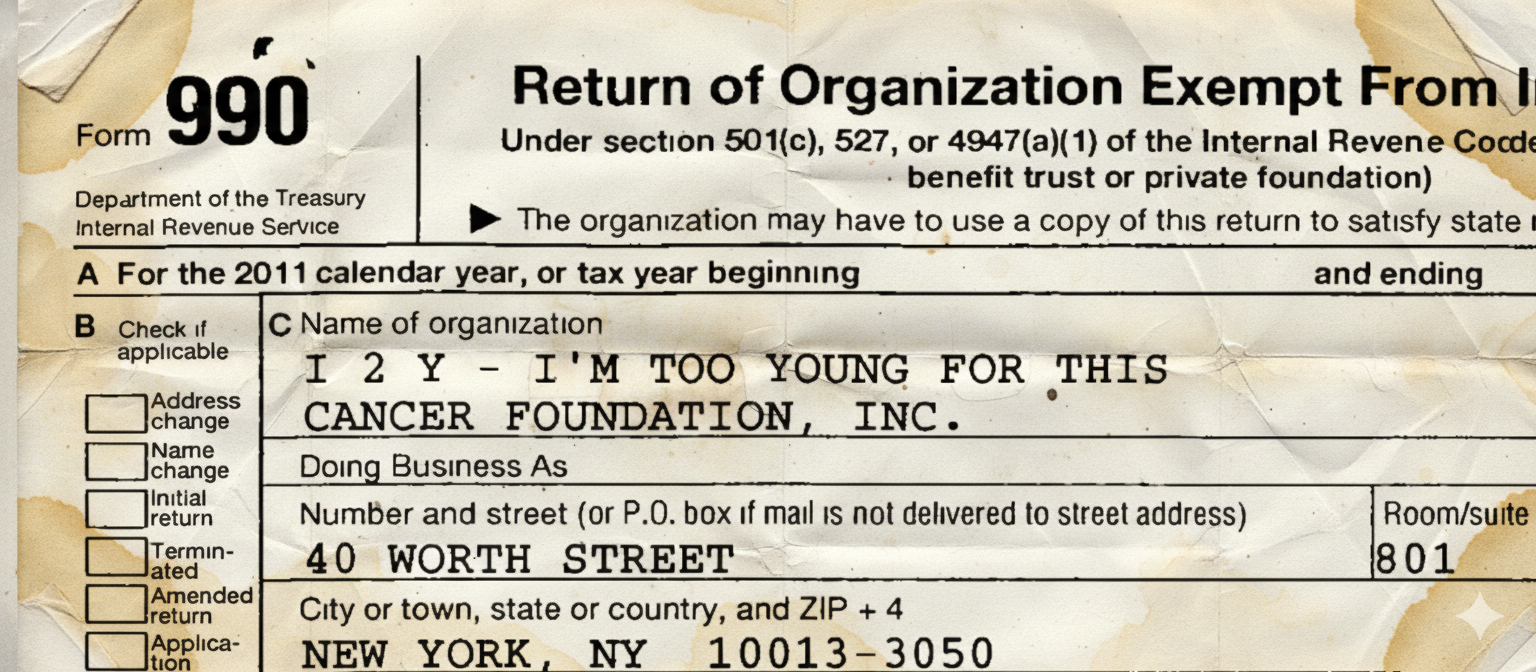
On January 23rd, 2010, I showed up for my first day as an intern at the I’m Too Young For This! Cancer Foundation. I didn’t know much about young adult cancer, only that it was a cause worthy of me giving it everything I had. On April 30th, 2010, two loves of my life Koby and Hannah were born and a job offer soon followed.
There is no concise way of describing the past 6.5 years of working at Stupid Cancer. For someone who hadn’t flown prior to 2006 for fear of the worst, I’ve had the amazing fortune to travel to the far reaches of this country and abroad, spreading the word that young adults can and do get cancer.
Five road trips and 30,000 ground miles have allowed me to connect with cancer survivors and their loved ones in the most amazing ways possible.
It’s with a heavy heart that I announce that my chapter as an employee of Stupid Cancer is coming to a close at the end of May.
I am incredibly proud of what the volunteers, staff, and Board of Directors have accomplished and what the Stupid Cancer community embodies today. We are Stupid Cancer.
Prior to working in patient advocacy, I stood behind a pharmacy counter for 8 years. This experience taught me a lot about life, and sometimes death. It was during this time that cancer first entered my life, with my fathers’ testicular cancer diagnosis in May 2005.
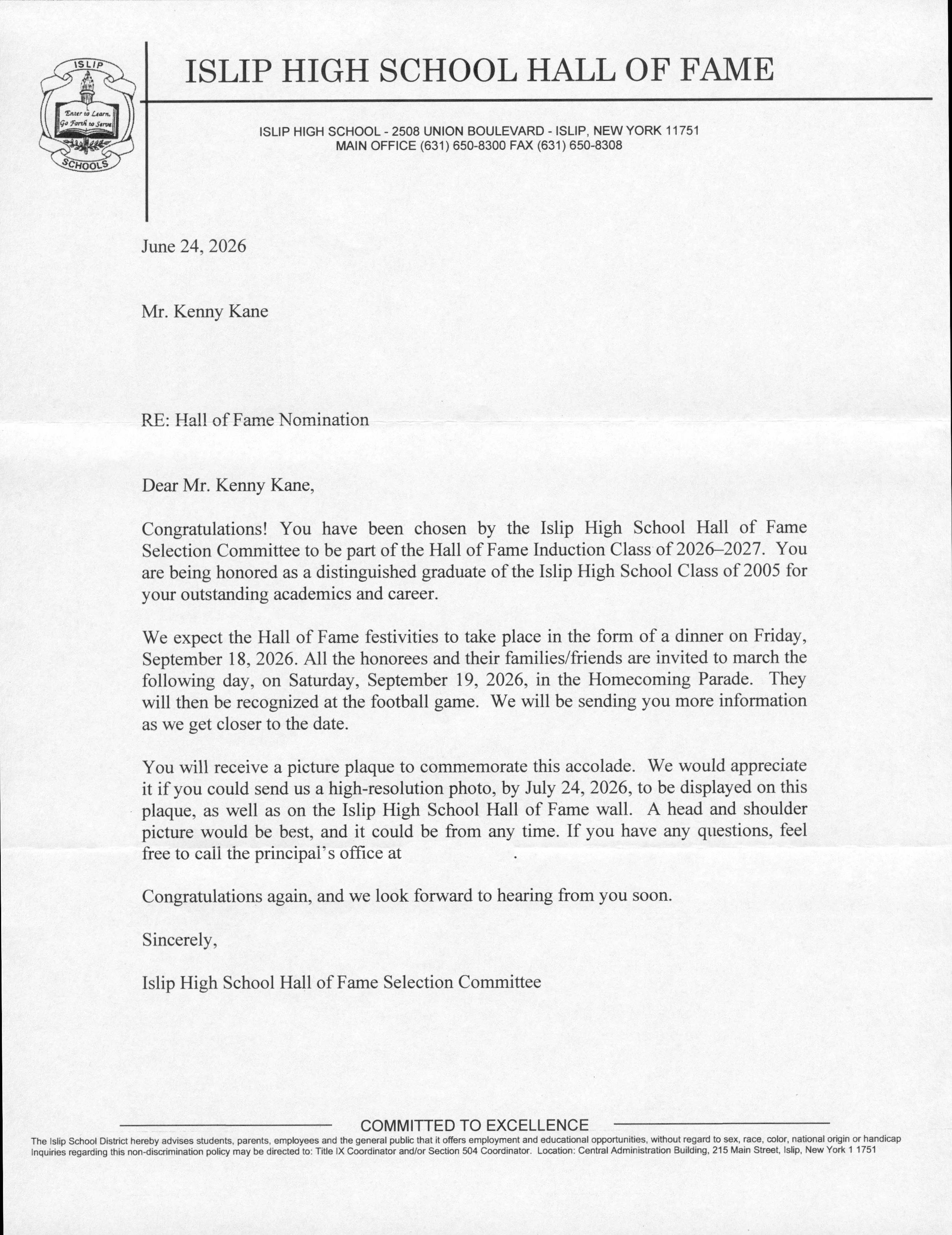
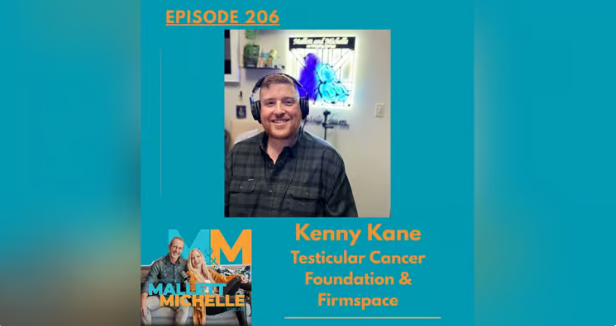
At the end of the month, the love of my life, Lauren, and I will be relocating to Austin. I will be assuming the role of Executive Director of the Testicular Cancer Foundation effective June 1st.
I am excited to watch Stupid Cancer continue to grow in new and exciting ways and continue to be the voice of young adult cancer.
Thank you to the SC community for enriching my life beyond words and giving me purpose.
Keep swimming.
KK